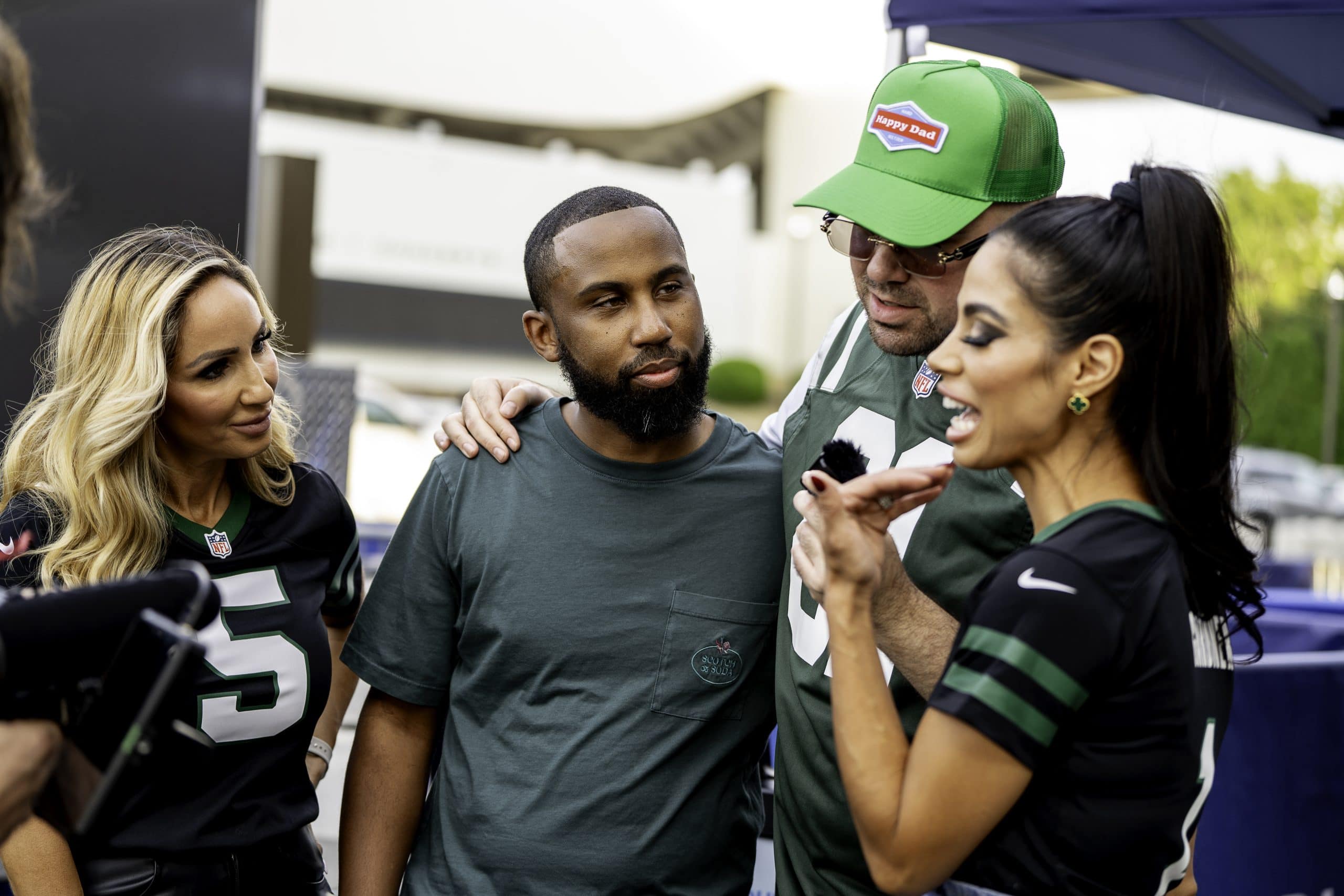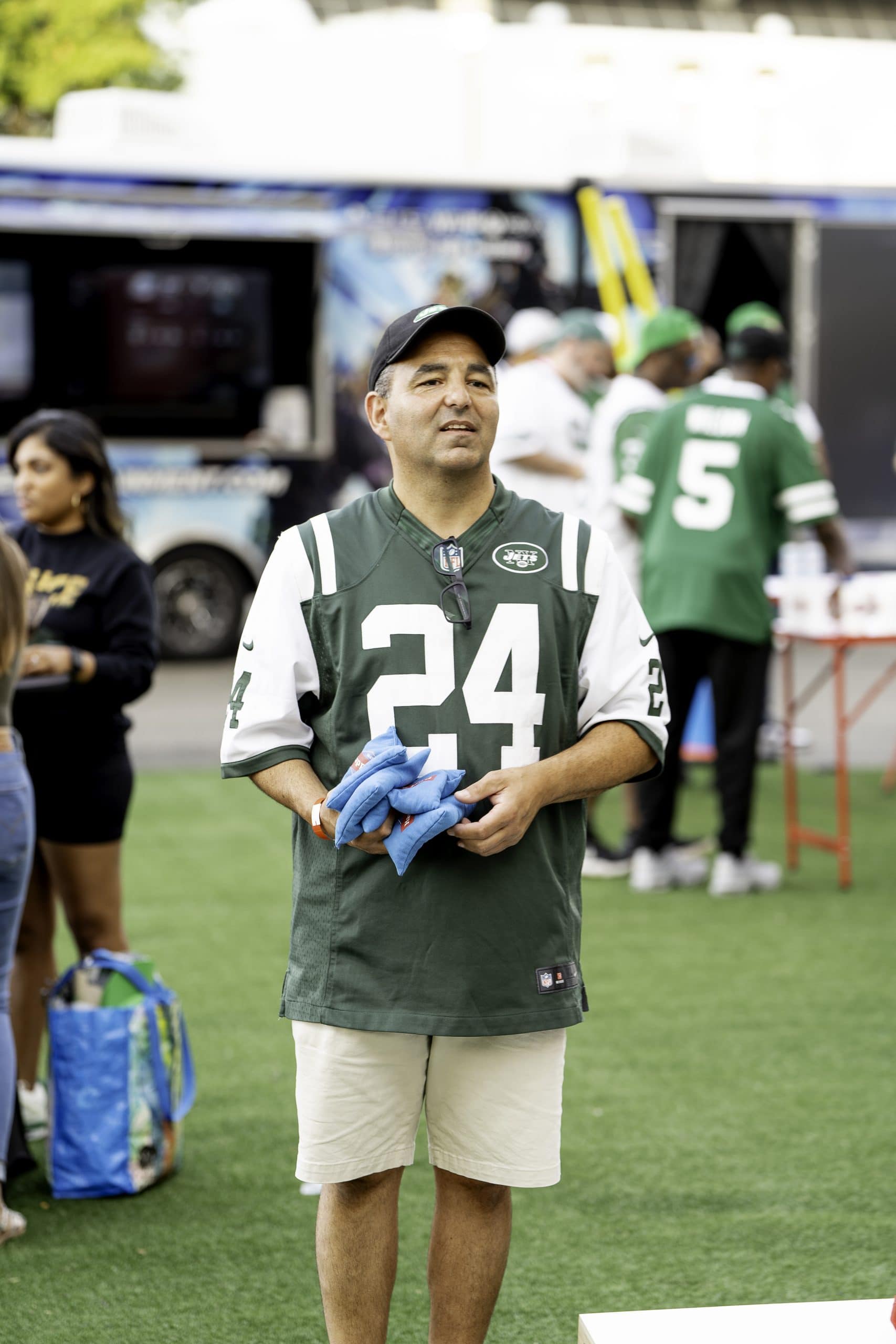
Planning a bachelor or bachelorette party sounds simple until you're three weeks out, coordinating 15 people, and realizing you forgot half the logistics that actually matter.
Share:
Summary:
You said yes to planning the bachelor party. Maybe you’re the best man, maybe you’re just the friend who’s good at organizing things. Either way, you’re three weeks in and realizing this is way more complicated than you thought.
The group chat is chaos. Half the guys haven’t confirmed. Someone’s asking about the budget again. You’re Googling “MetLife Stadium tailgate rules” at 11 PM and finding out there are permit requirements you’ve never heard of.
Here’s the truth: most bachelor party planners make the same mistakes. Not because they’re careless, but because they’re focused on the wrong things. This guide walks through what actually matters, what you can skip, and how to plan something memorable without it consuming your life.
The biggest mistake isn’t forgetting something. It’s not knowing what you’re signing up for until it’s too late.
Most planners start by picking a location or activity—let’s do a tailgate at MetLife, let’s go to Atlantic City, let’s rent a house upstate. That sounds like progress. But you’ve just committed to a venue without understanding the logistics, costs, or restrictions that come with it.
Here’s what happens next: you start researching and realize MetLife Stadium requires prepaid parking permits. There’s no showing up and paying cash. The permits come in color-coded tiers that determine which lots you can access. If you want to tailgate, you need to arrive early enough to secure a spot, but not so early that your group sits around for five hours. And if you’re bringing a larger vehicle or tent, there are size restrictions you didn’t know existed.
Now you’re managing permit purchases, coordinating arrival times, figuring out who’s driving, and trying to explain to your group why this is more complicated than just “showing up to party.” That’s the reality gap—the difference between what it sounds like and what it actually takes.
Here’s a conversation that happens at almost every bachelor party: three weeks before the event, someone asks “so what’s this actually going to cost?” and nobody has a clear answer.
You’ve been planning for a month. You’ve picked the venue, started a group chat, thrown around ideas. But you haven’t had the one conversation that determines whether this whole thing works: what is everyone actually willing to spend?
This isn’t about being cheap. It’s about avoiding the situation where half your group thought they were spending $75 and you’re asking them for $200. That creates resentment, awkward conversations, and people quietly dropping out because they can’t afford it but don’t want to say so.
The fix is simple but uncomfortable: before you book anything, send a message that says “this will cost approximately X per person, covering food, drinks, transportation, and the groom’s share. Does that work for everyone?” Give people a chance to opt out or suggest alternatives before you’ve committed to vendors, made deposits, or locked in plans.
Professional planners do this first, not last. They know that budget clarity prevents 90% of group drama. It also makes every other decision easier—you’re not wondering if the upgraded catering is worth it, because you know exactly what you’re working with.
And here’s the part most people miss: the groom’s expenses. Traditionally, the group covers the groom’s costs. That’s fine, but it needs to be factored into the per-person price from the beginning. If you have 10 people and the total cost is $2,200, that’s $200 per person if everyone splits evenly, or $244 per person if you’re covering the groom. That $44 difference matters when people are deciding whether to attend.
The other budget mistake is assuming you can DIY your way to savings. Sometimes you can. But if you’re planning a MetLife Stadium tailgate and you’ve never done it before, you’re going to spend money on mistakes—wrong permit tier, tent that doesn’t fit regulations, food that runs out, backup plans for weather. Professional services cost more upfront but eliminate the hidden costs of learning on the fly.
Most bachelor party disasters don’t happen because of bad ideas. They happen because nobody checked what’s actually allowed.
You’re planning a tailgate at MetLife Stadium. You’ve got the permits, the food’s ordered, the group’s excited. You show up with your 10×10 tent and a Bluetooth speaker, ready to party. Then security tells you tents over 8×8 aren’t allowed in standard parking spaces, your music’s too loud (New Jersey has a 65-decibel limit), and you can’t sell anything or charge people to join your tailgate because that’s considered unauthorized commercial activity.
Now you’re scrambling. You’re trying to fold up a tent that doesn’t fit, turning down your music while people complain they can’t hear it, and explaining to your group why the setup doesn’t look like what you promised. This isn’t a worst-case scenario. This is what happens when you plan based on what sounds fun instead of what’s actually permitted.
MetLife Stadium has strict rules because they’re managing thousands of people in a confined space. One car, one spot—no exceptions. If you try to save spaces for friends arriving later, security will tell you to move. If your vehicle is over 18 feet long or 8 feet wide, you can’t park in a lined space. If you’re grilling, you need to use the designated hot charcoal bins, not dump coals near cars.
These aren’t suggestions. They’re enforced. Stadium management actively patrols lots with additional security. People who violate parking lot guidelines get their vehicles towed or are asked to leave. That’s not a risk you want to take when you’ve got 15 people depending on you for a good time.
The fix is boring but essential: before you commit to any venue, read the actual rules. Not the FAQ page—the detailed policies. For MetLife Stadium, that means understanding the parking permit system, setup restrictions, alcohol guidelines, and noise ordinances. For other venues, it means knowing capacity limits, outside food policies, and whether you need additional permits or insurance.
If that sounds like a lot of work, it is. That’s why professional tailgate services exist. We’ve already navigated the rules, secured the permits, and built relationships with venue management. You’re not paying for food and a tent. You’re paying for someone who knows exactly what’s allowed and has the credibility to operate without getting shut down.
Want live answers?
Connect with a Savvy Tailgate expert for fast, friendly support.
Here’s the thing nobody tells you: the bachelor party isn’t about you. It’s not about proving you’re a great planner or impressing everyone with elaborate ideas. It’s about giving the groom and the group an experience they’ll actually enjoy.
That sounds obvious, but most planners get it backwards. They focus on what looks good—the Instagram-worthy setup, the packed itinerary, the surprise elements. Then the actual day arrives and everyone’s exhausted from overscheduling, stressed about timing, or dealing with logistics that should’ve been handled in advance.
The best bachelor parties have a simple structure: one or two main activities, enough downtime that people can actually talk and hang out, and logistics that are handled so seamlessly nobody has to think about them. That’s it. You don’t need a minute-by-minute schedule. You need a plan that gives people space to enjoy themselves without constant coordination.
Let’s talk about food, because this is where most DIY plans fall apart.
You’re planning for 15 people. You figure you’ll grab some party platters from a deli, throw them in coolers, maybe grill some burgers. That sounds reasonable until you’re standing in a parking lot at 11 AM, realizing the ice melted faster than expected, the deli trays are getting warm, and you have no idea if you bought enough food because you’ve never fed 15 people for four hours before.
Professional party catering solves a problem you don’t realize you have: portioning. When you’re buying food yourself, you’re guessing. You might over-buy and waste money, or under-buy and run out while people are still hungry. Both options make you look unprepared.
Caterers portion based on actual consumption data. They know that 15 people over four hours will eat approximately X amount of food, and they build in a buffer so you’re never scrambling. They also handle temperature control, setup, and service—you’re not managing coolers, serving utensils, or cleanup.
For tailgates specifically, catering makes even more sense because you’re dealing with outdoor conditions, limited space, and timing that has to align with game schedules. A professional setup means food arrives hot, stays at safe temperatures, and is ready when your group is hungry. You’re not grilling in a parking lot while trying to socialize. You’re not asking someone to make a food run because you miscalculated portions.
The cost difference isn’t as big as you’d think. When you factor in your time shopping, prepping, transporting, and serving, plus the risk of buying the wrong amounts, professional catering often costs the same or less than DIY—with significantly better results.
And here’s the part that matters for bachelor parties specifically: presentation. When people show up and see a proper spread with real serving setups, it sets a tone. It says “this was planned by someone who knows what they’re doing.” That’s the vibe you want, especially if you’re trying to impress the groom or deliver on promises you made to the group.
Bachelorette party planners figured something out years ago that bachelor party planners are just starting to understand: experiences beat activities.
For a long time, bachelor parties followed a predictable formula—bars, clubs, maybe a casino, definitely too much drinking. The goal was excess. The problem is excess gets old fast, and it doesn’t actually create the moments people remember.
Bachelorette party planners started shifting toward experience-based celebrations earlier. Instead of just going out, they’d plan a day that included a cooking class, a spa session, a private dinner. The focus wasn’t on cramming in as many activities as possible. It was on creating a few high-quality moments that felt special and gave people time to actually connect.
That same approach works for bachelor parties, especially if you’re planning a tailgate or pre-game celebration. Instead of trying to pack in games, contests, and non-stop entertainment, focus on creating a space where people can hang out comfortably, eat good food, and enjoy the lead-up to the main event without feeling rushed.
This is where professional services make a difference. When you’re handling setup, food, and logistics yourself, you’re constantly managing something. You’re checking if the grill’s ready, refilling drinks, making sure the tent’s secure. You’re not present. You’re not enjoying the party you planned.
Professional tailgate services handle all of that. You show up, your setup is ready, food is being served, entertainment is running. You get to be a guest at your own event. That’s not laziness—that’s smart planning. The groom doesn’t want to see you stressed and distracted. He wants you there, enjoying the moment with him.
The other thing bachelorette planners do well: clear communication about what’s included. They send itineraries, cost breakdowns, and packing lists. Everyone knows what to expect, what to bring, and what’s covered. That eliminates the last-minute confusion that derails bachelor parties—people showing up unprepared, asking questions that should’ve been answered weeks ago, or being surprised by costs they didn’t know about.
If you’re planning a bachelor party and want it to actually go well, steal from the bachelorette playbook: prioritize experience over excess, handle logistics professionally, and communicate clearly so nobody’s guessing.
Planning a bachelor party shouldn’t take over your life. If you’re spending every evening researching permits, coordinating schedules, and managing group chat chaos, you’re doing too much.
The smartest planners know when to delegate and when to bring in professionals. You don’t need to handle every detail yourself. You need to make sure the important things are covered—budget’s clear, venue’s confirmed, logistics are handled, and the groom’s going to have a good time.
For MetLife Stadium tailgates and Nassau County celebrations, that often means working with someone who’s done this hundreds of times. We’ve spent over 20 years turning stressful planning into seamless execution. We handle permits, setup, catering, entertainment, and cleanup so you can focus on what actually matters: showing up and celebrating with your group.
You don’t have to figure this out alone. You just have to be smart enough to know when to ask for help.
Article details:
Share:
Continue learning: