Summer concerts at MetLife Stadium demand smart tailgate setup planning. From parking permits to weather-resistant equipment, discover what actually works for stress-free pre-concert celebrations.
Share:

Summary:
You’ve got tickets to see your favorite artist at MetLife Stadium this summer. The concert’s still months away, but if you’re planning to tailgate, your real work starts now.
MetLife Stadium parking requires advance coordination that catches most first-timers off guard. Day-of parking for popular concerts? Doesn’t exist. The lots open hours before showtime, but showing up without a plan means you’re already behind. Once you’re there, you’re dealing with weather, equipment failures, food safety concerns, and stadium rules that can shut down your setup if you’re not careful.
This isn’t about discouraging you—it’s about knowing what you’re walking into. The difference between a memorable pre-concert celebration and a parking lot disaster comes down to preparation. Let’s start with the logistics that determine whether your tailgate setup even happens.
Concert tailgating operates on different rules than game day, and most people figure this out the hard way.
MetLife Stadium parking lots open 4-5 hours before major concerts, depending on the artist and expected attendance. For headliners like Oasis or Bruno Mars, that means early afternoon openings for evening shows. The best spots go to people who understand this timing and actually plan around it.
Here’s the part that catches everyone: parking availability. MetLife Stadium has roughly 23,000 parking spaces spread across 14 different lots, but day-of parking for popular shows is extremely limited—often nonexistent. You need to secure parking in advance, either through the venue or a service that handles it for you. Showing up hoping to buy a spot doesn’t work for concerts the way it might for some games.
The parking situation at MetLife Stadium isn’t intuitive. It’s complex, poorly explained, and catches people off guard every single event.
Start with understanding the lot system. MetLife uses 14 different parking areas, and not all of them allow tailgating. Grills and cooking equipment aren’t permitted in the enclosed parking decks—only in open lots. End up in the wrong area and your entire tailgate setup is dead before it starts.
Prepaid permits are essentially required. The venue doesn’t advertise this aggressively, but anyone who’s tried to buy parking day-of for a major show knows the reality. Lots sell out. Gates close. You’re left scrambling for overpriced off-site options or missing your tailgate window entirely.
Here’s another thing: circulation between lots isn’t allowed once you’re inside the complex. You can’t drive around scouting for better spots or trying to find your friends. The lot you’re assigned is where you stay. This makes coordination before arrival critical, especially for groups trying to tailgate together.
Traffic flow around the stadium involves coordination between venue staff, local police, and transportation authorities. Peak arrival times create bottlenecks that add hours to your travel time. Arriving during off-peak windows helps avoid the worst congestion, but that requires balancing your arrival timing with how long you actually want to tailgate before heading into the show.
The one-space-per-vehicle rule gets strictly enforced. You can’t save spots. You can’t use multiple permits to claim extra tailgating space. Groups wanting to set up together need to arrive together, which means coordinating departure times and meeting points well before anyone hits the road.
And don’t forget about post-concert traffic. After the show ends, everyone tries to leave simultaneously. Parked close to the stadium for convenience? You’re now trapped in the worst of the exit traffic. Some Nassau County concert-goers park farther out intentionally for easier departure, but that means a longer walk to the venue entrance.
Summer weather in the New York area is unpredictable, and outdoor concert tailgates expose you to all of it. You’re not just dealing with one concern—you’re managing heat, potential rain, wind, and temperature swings all in the same day.
Heat is the obvious problem. Afternoon temperatures in parking lots with minimal shade can reach dangerous levels. You’re standing on asphalt, surrounded by vehicles, with the sun beating down for hours. Hydration becomes critical, but so does having actual shade that works.
A basic pop-up canopy provides some relief, but cheap ones collapse in wind or offer minimal UV protection. Weather-resistant canopies with heavy-duty frames and waterproof vinyl tops hold up against sudden gusts that would flatten standard tents. The difference between a $50 tent and professional-grade equipment becomes obvious around hour two of your tailgate when everyone’s crowding under whatever shade actually survived.
Rain preparation matters even when forecasts look clear. Summer storms develop quickly in this region. You need waterproof tarps to protect food and supplies, plus ponchos for guests since most venues don’t allow umbrellas. Having a plan for sudden weather changes—knowing where your valuables are and how quickly you can secure loose items—prevents total chaos when conditions shift.
Temperature swings happen more than people expect. A hot afternoon turns into a cool evening once the sun drops. Most concert-goers focus on their outfit for the show and forget they’ll be outside for hours beforehand. That lightweight jacket you can tie around your waist during the day becomes essential once temperatures fall and you’re standing in a parking lot waiting for gates to open.
Food storage in summer heat creates safety concerns that DIY tailgaters often underestimate. Coolers need to maintain safe temperatures for hours, even in extreme conditions. Block ice lasts longer than cubes. Separate storage for drinks versus food prevents constant opening of your food cooler. Pre-chilling everything before packing helps, but you’re still gambling on food safety if your tailgate setup isn’t built for this.
Wind affects more than just tent stability. It impacts grill performance, scatters napkins and plates, and makes outdoor eating genuinely unpleasant. Securing everything that can blow away should be part of your setup checklist, not something you think about when items start flying around the parking lot.
Want live answers?
Connect with a Savvy Tailgate expert for fast, friendly support.
Planning a concert tailgate requires different thinking than planning a backyard party. You’re working in a parking lot with limited resources, strict time windows, and no ability to run inside if something goes wrong. Everything you need has to be with you from the start.
Equipment needs to be portable but professional. Your home grill might work great in your backyard, but transporting it, setting it up in a parking lot, and ensuring it performs reliably for hours is a different challenge entirely. Portable grills designed specifically for tailgating exist for a reason—they’re built for this exact use case.
Food preparation timing requires serious coordination with your arrival schedule. Items prepared ahead reduce on-site workload significantly. Pre-marinated meats, pre-cut vegetables, and prepared sides mean less knife work in a parking lot. Some foods taste better fresh, so you’re balancing convenience against quality based on what your group actually cares about.
The timeline matters more than people think. If lots open 4-5 hours before the concert and you want 3 hours of tailgating time, that determines when you need to arrive. Factor in travel time, potential traffic delays, and time for setup. Miss your window because you underestimated any of these variables and you get a rushed, stressful experience instead of the celebration you planned.
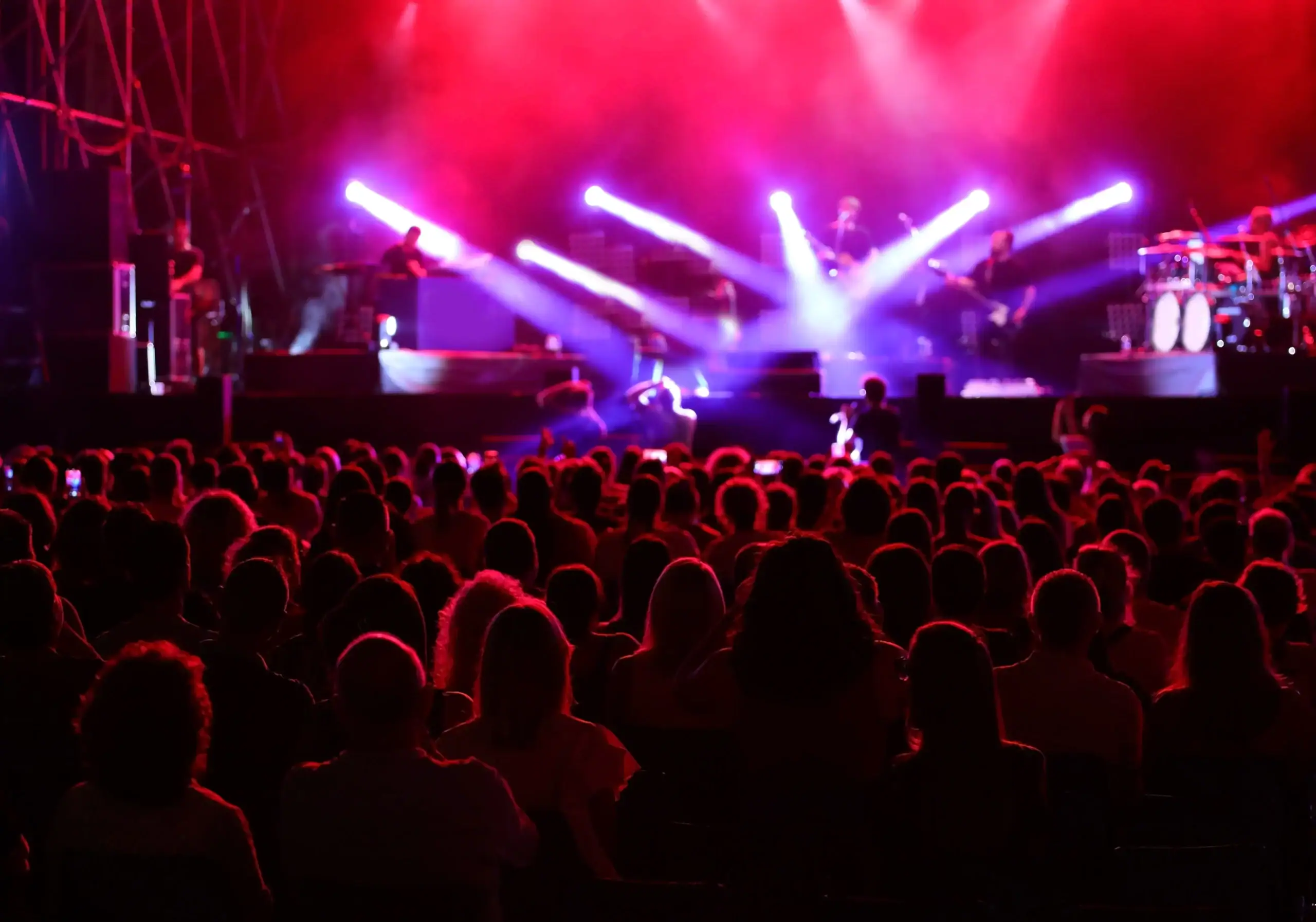
Concert crowds differ from sports crowds in ways that directly affect your tailgate setup and management approach.
Music fans arrive in waves throughout the pre-concert window. Unlike football games where most people show up 2-3 hours early, concert attendees trickle in over a longer period. Some arrive when lots open to maximize tailgating time. Others show up 90 minutes before the show. This affects how you plan food service, entertainment, and space management throughout the event.
Space management in crowded lots requires awareness of your footprint and surroundings. You can’t sprawl into neighboring areas or assume you’ll have extra room. Everything needs to fit within your designated parking space, which means thinking vertically and being efficient with your layout. Tables, chairs, coolers, grill, and entertainment all need to coexist without creating hazards or blocking walkways that other tailgaters need to use.
Sound systems face specific regulations at MetLife Stadium that most people don’t know about. They can’t produce sound exceeding 65 decibels, which is New Jersey state ordinance. You also need to face speakers toward your vehicle, not toward other groups, to avoid creating negative experiences for neighbors who didn’t sign up for your playlist. Most people don’t think about this until security asks them to turn it down or reposition equipment.
Crowd management becomes relevant when you’re hosting a larger group. People need to know where to find you in a massive parking lot with thousands of vehicles. Clear communication about lot assignments, meeting points, and timing prevents the frustration of friends wandering around unable to locate your setup. Some groups use flags or distinctive decorations to make their spot visible from a distance.
The social atmosphere of concert tailgating tends toward meeting new people and mingling with fellow fans. Unlike team-specific sports tailgates where you’re surrounded by people wearing the same jersey, concert crowds share appreciation for the artist but come from diverse backgrounds. Creating an environment that welcomes both your group and friendly neighbors enhances the overall experience for everyone.
Cleanup happens under serious time pressure. Once the concert starts, most people want to get inside quickly and not miss the opening acts. That means cleaning up before the show or accepting that you’ll be late getting in. Planning for quick cleanup—disposable items, trash bags within easy reach, a designated person handling it—makes this transition smoother when you’re trying to pack up and get to the gates.
The decision between DIY tailgating and professional services comes down to what you value, what you’re willing to handle, and what your time is actually worth.
DIY tailgating gives you complete control over every detail. You choose the menu, the equipment, the timing, and the atmosphere. For people who genuinely enjoy the planning and setup process, this is part of the fun. You’re not just attending a concert—you’re creating an entire experience from scratch.
But DIY also means you’re responsible for everything that can go wrong, and things go wrong constantly. Equipment failures in parking lots happen all the time. Grills that don’t heat properly. Tents that collapse in wind. Coolers that don’t keep food cold enough. Sound systems that don’t work when you need them. When something fails, you’re troubleshooting in a crowded lot with limited resources and a ticking clock before the concert starts.
Professional tailgate services handle logistics that most people massively underestimate. Parking coordination alone eliminates a major stressor—you’re not hunting for permits weeks in advance or worrying about lot assignments and whether you’ll even get a spot. Services with established relationships at MetLife Stadium secure prime locations and handle all permit requirements as part of their offering.
Equipment quality makes a noticeable difference in your actual experience. Commercial-grade grills heat evenly and reliably. Professional canopies withstand weather that would destroy consumer tents. Sound systems designed for outdoor events deliver clear audio without violating venue regulations. This equipment costs more than most people want to invest for occasional use, but professional services already own it, maintain it, and know how to use it properly.
Food service through professional catering addresses safety concerns that DIY setups genuinely struggle with. You’re getting certified food handlers, proper temperature control during transport and service, and menu variety beyond what most people can execute in a parking lot. All-you-can-eat models eliminate the stress of running out of food or making everyone chip in for supplies and hoping you bought enough.
Licensed alcohol service is something DIY groups simply can’t replicate legally. Professional services with proper liquor licenses provide cash bars that comply with all regulations. This matters more at some events than others, but it’s a capability DIY setups don’t have access to regardless of how much you plan.
The time investment is where many Nassau County concert-goers find the real value proposition. DIY tailgating requires hours of shopping, prep work, packing, transporting, setting up, managing during the event, cleaning up, and hauling everything home afterward. Professional services let you show up and enjoy the experience without any of that work. For people with limited time or those who’d rather spend their energy on the concert itself, this trade-off makes complete sense.
Cost comparisons aren’t as straightforward as they first appear. DIY looks cheaper until you factor in equipment purchases, food and beverage costs for a group, parking permits, and the actual value of your time. Professional services charge more upfront but include everything in that price. For groups, the per-person cost often ends up comparable, especially when you account for the quality difference in equipment, food, and overall experience.
Concert tailgating at MetLife Stadium can be an incredible pre-show experience or a logistical nightmare that ruins your day. The difference comes down to preparation, realistic expectations about what you’re signing up for, and honest assessment of what you actually want to handle yourself.
If you’re going the DIY route, start planning weeks in advance. Secure parking permits early, coordinate with your group on timing and meeting points, invest in quality equipment that won’t fail when you need it, and have legitimate backup plans for weather. The people who make DIY work are the ones who treat it seriously and prepare accordingly, not those who wing it and hope for the best.
If the logistics sound overwhelming or you’d rather focus on enjoying the concert, we’re here to handle everything. We’ve been managing MetLife Stadium tailgates for over 20 years, handling permits, parking, setup, catering, entertainment, and cleanup so Nassau County and Long Island concert-goers can show up and celebrate without the stress. For people who want the experience without the work, that’s exactly what we do.
Article details:
Share:
Continue learning: