You’ve been tasked with planning a corporate event, and the weight of it is already setting in. There’s the venue to book, vendors to coordinate, budgets to manage, and about a hundred details that could go sideways if you miss something. Most people underestimate how much work goes into event management until they’re neck-deep in logistics spreadsheets at 11 PM.
The reality is that professional event management isn’t about working harder. It’s about knowing which details actually matter, how to coordinate moving parts without losing your mind, and what to do when something inevitably doesn’t go according to plan. This guide breaks down the event management process that separates impressive corporate gatherings from forgettable ones.
Event Management Planning and Coordination Essentials
Event management starts long before anyone walks into a venue. The planning phase determines whether your event runs smoothly or becomes a series of last-minute fire drills.
Your first step is defining what success actually looks like. Not the vague “we want people to have a good time” version, but specific, measurable objectives. Are you building client relationships? Launching a product? Celebrating team achievements? Each goal shapes every decision that follows, from venue selection to menu choices.
The timeline you create now will either save you or stress you out later. Working backward from your event date, identify every task that needs completion and when. Vendor contracts typically need 8-12 weeks for major events. Catering menus require finalization 3-4 weeks out. Promotional materials need design, approval, and production time. Build buffer periods because delays happen, and when they do, you’ll be grateful for the cushion.
Vendor Management and Logistics Coordination
Vendor management makes or breaks event execution. You’re not just hiring caterers and AV technicians—you’re building a temporary team that needs to work together seamlessly.
Start by vetting potential vendors thoroughly. Check references, not just reviews. Ask specific questions about their experience with events similar to yours in size and scope. A vendor who’s great at intimate dinners might struggle with a 200-person corporate gathering. Get everything in writing with detailed contracts that specify deliverables, timing, setup requirements, and cancellation policies.
Communication becomes critical as your event approaches. Create a master contact sheet with primary and backup contacts for every vendor. Schedule a walkthrough at your venue with key vendors present so everyone sees the space and understands logistics. Discuss load-in times, setup areas, power requirements, and any venue-specific restrictions.
The week before your event, confirm everything again. Yes, you already confirmed it. Confirm it anyway. Send a detailed timeline to all vendors showing when they arrive, where they set up, and when they need to be ready. Include your contact information and make it clear you’re available for questions. This redundancy feels excessive until the day a vendor shows up at the wrong entrance with a truck full of equipment and you’re the only person who can redirect them.
Budget management runs parallel to vendor coordination. Track every expense in real time rather than tallying receipts later. Allocate 10-15% of your total budget for unexpected costs because they will appear. The venue might charge for additional power access. Weather might require last-minute tent sidewalls. A key speaker might need travel arrangements adjusted. Having contingency funds prevents these surprises from derailing your event or forcing you to cut corners elsewhere.
Logistics coordination extends beyond vendors to attendee management. How are people registering? What information do you need from them? How will check-in work on event day? These operational details seem mundane during planning but become critical when 150 people are trying to enter your venue simultaneously. Consider using registration platforms that streamline data collection and provide real-time attendance tracking.
Creating Contingency Plans That Actually Work
Murphy’s Law applies especially to event management. Anything that can go wrong probably will, and your job is making sure attendees never notice.
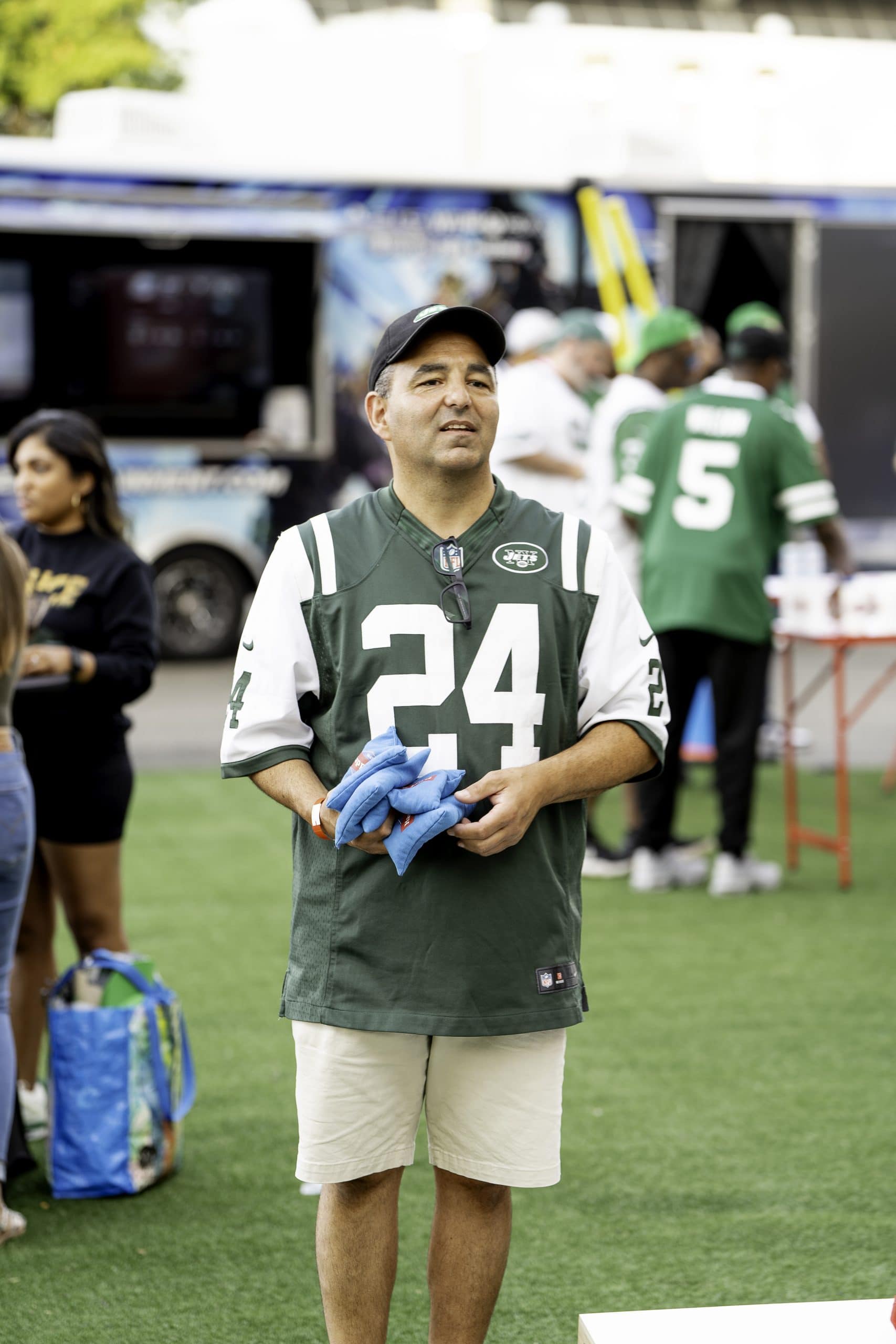
Weather contingencies matter for any event with outdoor components. If you’re planning a corporate tailgate or outdoor reception in Nassau County, NY, weather can shift quickly. Have backup plans that don’t feel like compromises. This might mean booking indoor space as insurance, having sidewalls ready for tents, or knowing exactly how you’ll communicate changes to attendees if needed.
Technology failures happen with surprising frequency. Presentation slides won’t load. Microphones cut out. Wi-Fi crashes right when you need it. Have backup equipment on hand or know your vendor’s backup protocol. Test everything the day before, then test it again the morning of your event. Bring physical copies of critical materials like schedules, speaker notes, and contact lists in case digital systems fail.
Vendor cancellations create panic, but having alternatives identified in advance reduces stress significantly. Maintain relationships with backup vendors even if you’re not using them. Know who you’d call if your caterer cancels three days before your event. Have a secondary AV company’s contact information saved. These relationships are insurance policies you hope never to use but will desperately need if primary vendors fall through.
Medical emergencies and safety issues require clear protocols. Know where first aid supplies are located. Have emergency contacts for venue management readily available. Assign specific team members to handle different emergency scenarios so everyone isn’t trying to solve the same problem simultaneously. Brief your team on evacuation routes and procedures before the event starts.
Communication plans become essential when problems arise. Who makes decisions about significant changes? How do you reach attendees quickly if needed? Having a clear chain of command and communication channels established before problems occur prevents confusion when stress levels are high. Designate someone as the point person for vendor questions, another for attendee issues, and ensure everyone knows who handles what.
Corporate Event Planner Responsibilities and Execution
A corporate event planner coordinates every element from initial concept through post-event evaluation. The role demands organizational skills, vendor negotiation abilities, and the capacity to stay calm when unexpected issues surface.
Your responsibilities start with understanding client objectives and budget constraints. What’s the purpose of this event? Who’s the target audience? What does success look like? These answers shape every subsequent decision. A team-building retreat requires different planning than a client appreciation dinner or product launch.
Day-of execution separates competent planners from exceptional ones. You’re managing timeline adherence, vendor coordination, attendee experience, and problem-solving simultaneously. Arrive early—earlier than you think necessary. Walk through the entire event flow. Check that setup matches your specifications. Test technology. Verify food service timing. Address issues while you still have time to fix them rather than discovering problems as guests arrive.
Managing Day-of Event Operations
Event day operations require constant attention without appearing stressed. Your attendees should see a seamless experience while you’re coordinating multiple moving parts behind the scenes.
Start with a detailed run-of-show document that outlines every element with specific timing. Not “afternoon session” but “2:15 PM – Welcome remarks begin, 2:30 PM – Keynote speaker takes stage, 3:15 PM – Break with refreshments.” Share this timeline with your entire team and all vendors so everyone operates from the same playbook.
Assign roles clearly. Designate someone to manage registration and check-in. Another person handles vendor questions and issues. Someone else focuses on attendee experience and hospitality. You need to oversee everything without getting stuck managing one specific element. If you’re the only person who knows how to solve problems, you’ll spend the entire event firefighting instead of ensuring overall success.
Communication during the event happens through multiple channels. Radios or messaging apps keep your team connected without disrupting the event atmosphere. Establish check-in points throughout the day where team members report status and surface any developing issues. This structure prevents small problems from becoming major disruptions.
Attendee engagement requires active management. Watch crowd flow and energy levels. If networking isn’t happening naturally, facilitate introductions. If energy dips after lunch, adjust timing or add interactive elements. Your job includes reading the room and making real-time adjustments that enhance experience.
Food and beverage service timing affects everything else. Late meals create hungry, distracted attendees. Rushed service feels chaotic. Work closely with catering staff to ensure service aligns with your schedule. Build in buffer time for serving large groups. Consider whether seated service, buffet stations, or passed appetizers best fit your event flow and space.
Post-Event Evaluation and Follow-Up
Event management doesn’t end when the last guest leaves. Post-event evaluation provides insights that improve future planning and demonstrates ROI to stakeholders.
Gather feedback while experiences are fresh. Send surveys within 24-48 hours of your event. Keep surveys concise—5-7 questions maximum. Focus on specific elements: venue appropriateness, food quality, content relevance, overall satisfaction. Include one open-ended question for additional comments. Short surveys get higher completion rates than exhaustive questionnaires.
Debrief with your team and vendors within a week. What worked well? What would you change? What unexpected issues arose and how were they handled? Document these insights while details are clear. This institutional knowledge becomes invaluable for planning future events.
Financial reconciliation matters for budget accuracy and future planning. Compare final expenses against your initial budget. Where did you overspend? Where did you find savings? What unexpected costs appeared? This analysis helps you create more accurate budgets for future events and identify areas where you can negotiate better rates.
Measure success against your original objectives. If your goal was client relationship building, track follow-up meetings scheduled or deals advanced. For team building, consider engagement metrics and feedback about team cohesion. For brand awareness, monitor social media mentions and media coverage. Quantifiable results demonstrate value to leadership and justify future event investments.
Vendor performance evaluation guides future hiring decisions. Rate each vendor on reliability, quality, communication, and value. Note which vendors exceeded expectations and which created problems. Build relationships with exceptional vendors—they become trusted partners for future events. Document issues with problematic vendors to avoid repeating mistakes.
Thank-you communications extend your event’s impact. Send personalized messages to speakers, sponsors, and key attendees. Share event highlights, photos, or relevant follow-up resources. These touchpoints strengthen relationships and keep your organization top-of-mind. For corporate events in Nassau County, NY, and the surrounding area, maintaining these connections often leads to future opportunities and referrals.
Professional Event Management Delivers Results
Event management success comes from thorough planning, clear communication, and the ability to adapt when situations change. The framework outlined here—from initial planning through post-event evaluation—provides structure for executing corporate events that achieve objectives without unnecessary stress.
The difference between adequate events and exceptional ones often comes down to experience and attention to details that amateur planners overlook. Professional event management eliminates common mistakes, provides access to trusted vendor networks, and ensures contingency plans exist before problems arise.
For corporate events, client entertainment, or team-building experiences in Nassau County, NY, we at Savvy Tailgate Zone remove the logistics burden while delivering impressive results. With over 20 years of MetLife Stadium expertise, full-service solutions, and professional-grade equipment, we help you shift focus from managing details to building relationships and enjoying the experiences you’ve created.