Planning a stadium tailgate floor plan involves more than placing tents and tables. Smart layout design maximizes space, manages crowd flow, and creates memorable experiences.
Share:
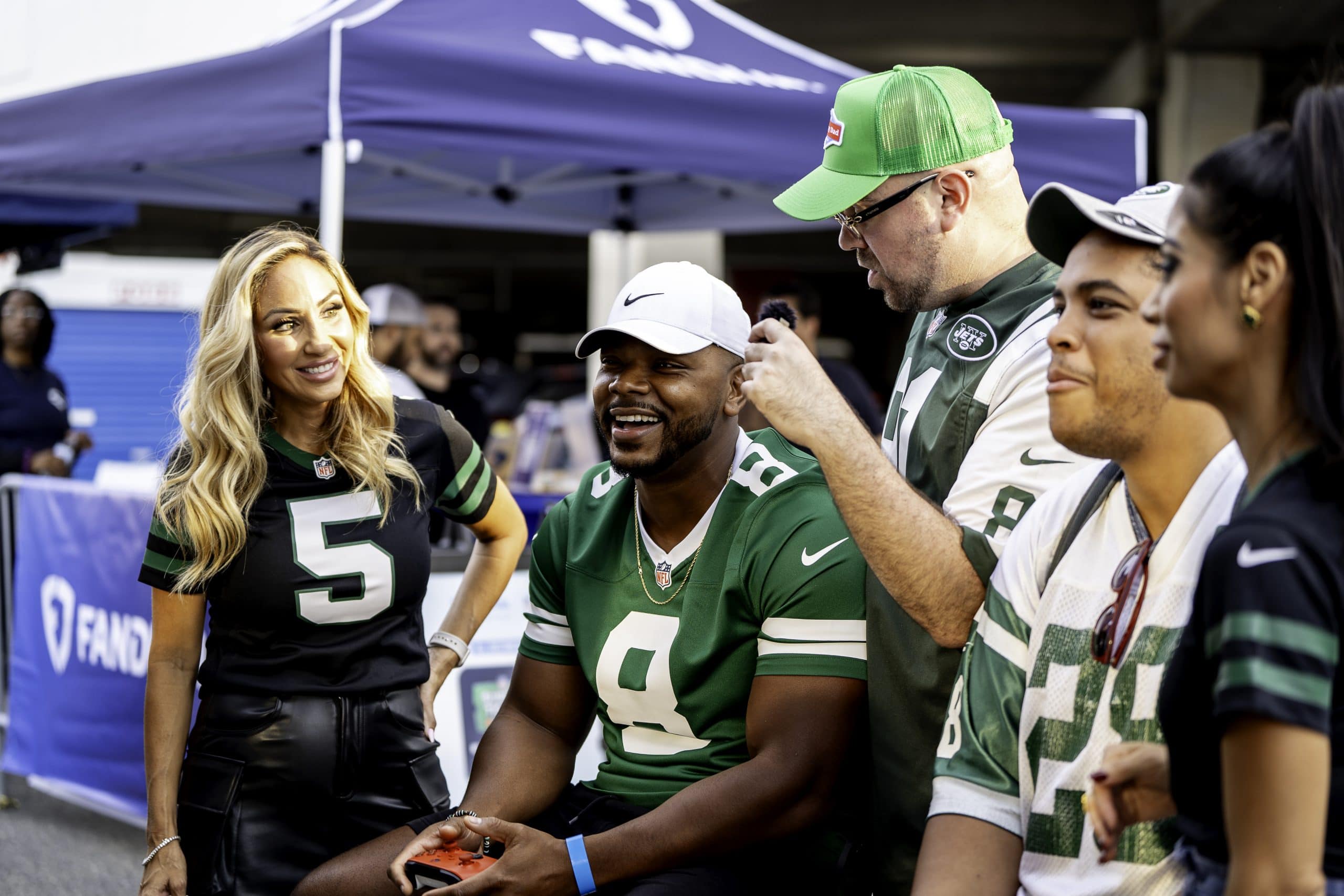
Summary:
You’ve secured parking passes, coordinated your group, and planned the menu. But have you thought about how your tailgate space will actually function when 20 people show up with coolers, chairs, and expectations?
Most tailgaters focus on what they’re bringing without considering where it all goes. The result? Blocked pathways, cramped seating, grills too close to vehicles, and guests standing around because there’s nowhere comfortable to settle in. An event floor plan isn’t just for indoor venues. It’s the difference between a parking lot party that works and one where you’re constantly rearranging things while your guests wait.
Here’s how to design a tailgate layout that handles the realities of stadium parking lots, weather variables, and venue-specific rules without turning game day into a logistics puzzle.
An event floor plan is essentially a bird’s eye view of how your space will be organized. For tailgates, this means mapping out where your tent goes, how tables and chairs are arranged, where the grill sits, and how people move through the area.
The goal isn’t perfection. It’s function. You want guests to grab food without bumping into the cooler, sit down without blocking the walkway, and access their vehicles when needed. Stadium parking lots come with constraints you don’t face at home: painted lines that define your boundaries, neighboring tailgates on all sides, and rules about what you can place where.
MetLife Stadium, for example, enforces a strict one-car-one-space policy. Your tailgate setup must stay within your vehicle’s footprint unless you’re using the designated paved areas between lots. That limitation forces you to think vertically and efficiently rather than spreading out horizontally like you might in a backyard.
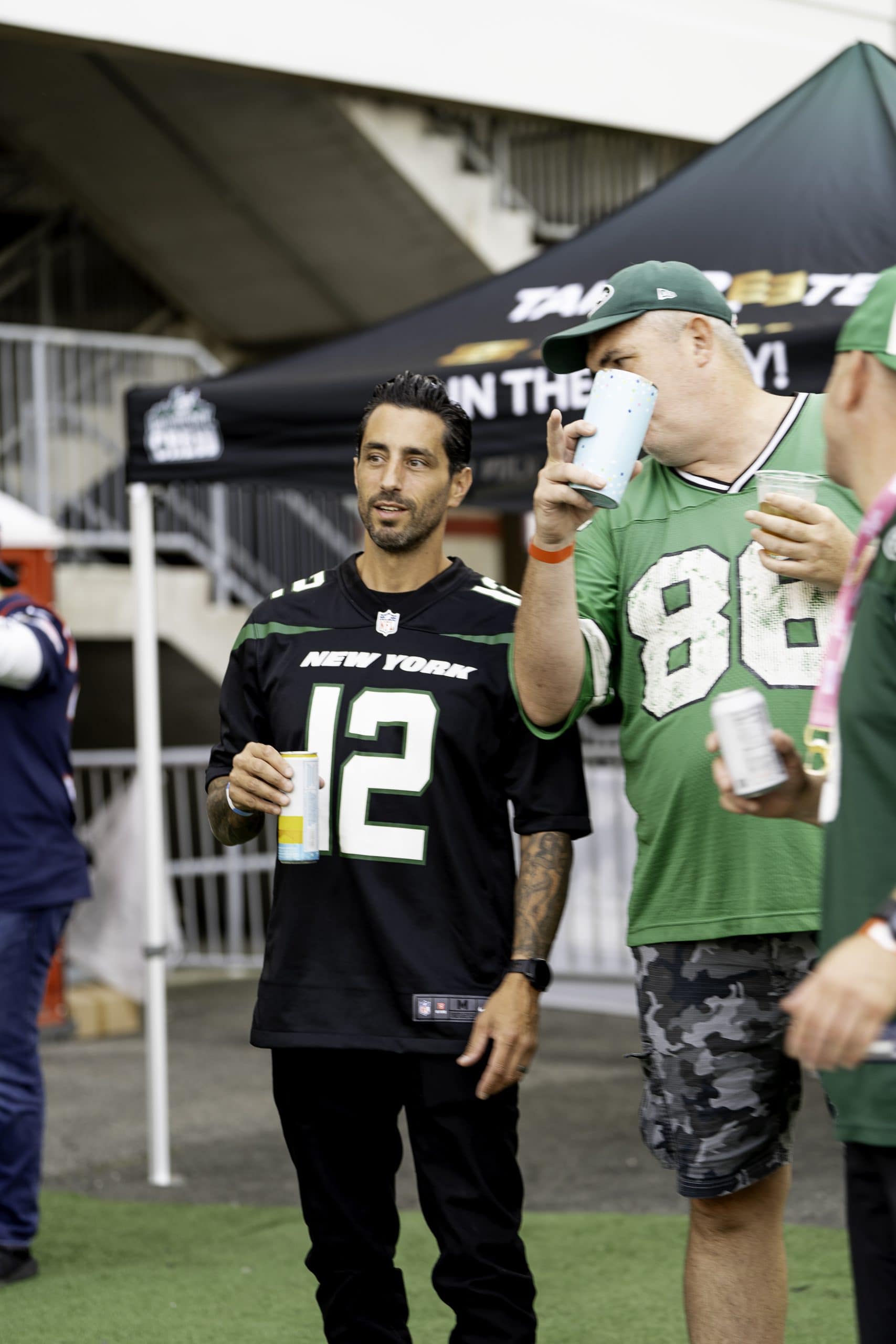
Think of your tailgate area in zones, not just as one big space. An event stylist would break it down into functional areas: food service, seating and socializing, entertainment, and storage.
Your food zone needs the most thought. Grills generate heat and require clearance from vehicles and tents. At MetLife Stadium, grills must stay within your parking space and away from buildings or areas where they could damage property. Position your grill where smoke won’t blow directly into seating areas, but close enough that whoever’s cooking can still participate in conversations.
The seating zone should be the largest area because that’s where people spend most of their time. Arrange chairs in a U-shape or semi-circle rather than straight rows. This creates natural conversation flow and makes everyone feel included rather than lined up like they’re waiting for something. Leave enough space between chairs that people can get up without asking three others to move.
Your entertainment zone might include cornhole boards, a speaker setup, or a TV if you’re watching pre-game coverage. Position these elements where they’re accessible but not in the main traffic path. Nothing kills the vibe faster than someone tripping over a speaker cord while carrying a plate of food.
Storage is the zone people forget. Coolers, extra supplies, trash bags, and personal items need a designated spot. Tuck these along the perimeter or under tables to keep walkways clear. At venues where you’re packing up and moving to the stadium, having organized storage means faster cleanup and nothing left behind.
Event planner decorations serve a dual purpose at tailgates: they create atmosphere and they help with wayfinding. In a massive parking lot with hundreds of similar setups, your decorations help your group find you and signal to others what kind of party you’re running.
Team colors, banners, and flags aren’t just about showing support. They’re visual markers that make your space identifiable from a distance. Position these elements at the perimeter of your setup, particularly near the main approach path. If your group is arriving in waves, they need to spot you quickly.
The visual flow of your decorations should guide people naturally through your space. A banner at the entry point, team flags marking the seating area, and maybe string lights or a centerpiece at the focal gathering point. This isn’t about being fancy. It’s about creating a sense of place in what’s otherwise just a parking space.
Weather-resistant decorations matter more than you’d think. Wind can turn lightweight banners into projectiles, and rain ruins paper goods. Heavy-duty canopies do double duty as shelter and as the largest visual element of your setup. At MetLife Stadium, where weather can change quickly, having decorations that hold up means your space maintains its identity regardless of conditions.
Don’t overlook the ground. If you’re on asphalt, consider bringing an outdoor rug or astroturf section to define your main gathering area. It adds comfort, reduces the parking lot feel, and creates a clear boundary for your space.
Want live answers?
Connect with a Savvy Tailgate expert for fast, friendly support.
An event project plan breaks down everything that needs to happen, when it needs to happen, and who’s responsible. For tailgates, this means coordinating arrival times, setup tasks, food preparation, and breakdown.
MetLife Stadium lots open five hours before kickoff for most events. Your event project plan should account for arrival time, setup duration, party time, and the buffer you need before heading into the stadium. If you’re aiming for a three-hour tailgate experience, work backward from when you need to pack up.
Setup goes faster when you’ve assigned roles. One person handles the tent, another manages tables and chairs, someone else sets up the grill and food station. Without designated responsibilities, everyone tries to help with everything and nothing gets done efficiently. Your floor plan makes these assignments clearer because people know exactly what goes where.

Traffic flow isn’t just about cars. It’s about how people move through your tailgate space. Poor traffic flow creates bottlenecks, collisions, and frustration. Good flow feels invisible.
The main principle: create clear pathways and avoid dead ends. Your layout should allow people to enter the space, access food and drinks, reach seating, and exit without backtracking or squeezing past obstacles. Think about the natural flow of a guest arriving: they’ll want to say hello, grab a drink, maybe get food, then find a seat.
Position your food and beverage stations where they’re accessible from multiple angles. A single-approach food table creates a line. An island-style setup or a table accessible from both sides keeps things moving. At stadium tailgates where you might have 15-20 people trying to eat before kickoff, this matters.
Consider the flow between your tailgate and neighboring setups. You’re not in isolation. People will walk past your space, and your guests might visit other tailgates. Position your seating and high-traffic elements so you’re not creating obstacles for the whole row of parking spaces.
MetLife Stadium’s parking lot layout includes narrow roads between sections. These get congested closer to game time. If your tailgate is near one of these thoroughfares, account for foot traffic passing through. You don’t want your main seating area in the path people use to walk toward the stadium.
Weather adds another layer to traffic flow. When it’s raining, everyone crowds under the canopy. Your floor plan should accommodate this compression without making the space feel claustrophobic. Leave extra clearance around the edges of your covered area so people can move in and out easily even when it’s packed.
Event designers bring expertise in spatial planning, equipment selection, and problem-solving that most casual tailgaters lack. They’ve seen what works and what fails across hundreds of events.
Professional event designers for tailgates start by understanding your venue’s specific constraints. At MetLife Stadium, that means knowing the parking lot dimensions, the one-space rule, fire restrictions on grill types, and sound ordinances. They design floor plans that comply with regulations while maximizing your usable space.
The equipment makes a difference. Event designers use commercial-grade tents that withstand wind, professional sound systems that deliver quality without exceeding decibel limits, and grills that meet venue requirements. Consumer-grade gear fails under stadium tailgate conditions: cheap tents collapse in wind, portable speakers can’t compete with ambient noise, and standard grills don’t have the capacity for large groups.
Layout optimization is where professional design really shows. Event designers position elements based on sun direction, wind patterns, and sight lines. They know to angle the tent to block afternoon sun, position speakers to distribute sound evenly without creating dead zones, and arrange seating so everyone can see the TV or entertainment area.
The coordination piece can’t be understated. Professional services handle permits, secure parking locations through venue relationships, coordinate arrival logistics, and manage setup timing. At MetLife Stadium, where parking can take two hours to exit after events and prepaid permits are mandatory, having someone who knows the system eliminates major stress points.
For corporate tailgates or large group events, event designers create experiences that go beyond basic setup. They incorporate branding elements, coordinate catering that meets food safety standards, and design entertainment zones that keep guests engaged for hours. This level of execution requires both planning expertise and operational capability.
Smart event floor plan design transforms stadium lot tailgates from chaotic gatherings into organized experiences. The key is understanding your space constraints, planning functional zones, managing traffic flow, and preparing for weather variables.
Whether you’re handling the planning yourself or working with professionals, the fundamentals remain the same: create clear zones for different activities, ensure people can move through the space comfortably, and position elements to comply with venue regulations. At MetLife Stadium and similar venues, knowing the specific rules around parking space usage, grill placement, and sound levels keeps you from getting shut down mid-party.
The difference between a good tailgate and a great one often comes down to thoughtful layout planning. When guests can move freely, access what they need, and settle into comfortable spaces, they focus on enjoying themselves rather than navigating obstacles. That’s what smart floor plan design delivers.
For tailgates at MetLife Stadium where logistics get complex, we handle the complete event floor plan design, setup, and execution so you can focus on the experience rather than the coordination.
Article details:
Share:
Continue learning: