Planning a group event? Stadium and venue events demand completely different approaches to logistics, weather protection, and atmosphere. Here's what actually matters.
Share:
Summary:
You’ve got a group event coming up. Maybe it’s a corporate outing, a milestone birthday, or just bringing your crew together for a Giants game. The question isn’t whether to celebrate—it’s where and how. Stadium events and traditional venue events might seem interchangeable, but they’re not even close. The logistics, costs, atmosphere, and planning requirements are completely different. Understanding what separates these two options saves you from expensive mistakes and helps you create the experience your group actually wants. Let’s break down what really matters when you’re deciding between outdoor stadium celebrations and indoor venue events.
The most obvious difference is also the most consequential. Stadiums put you outside, exposed to whatever weather shows up. Traditional venues keep you inside with climate control and predictable conditions.
That distinction ripples through every other decision you’ll make. Outdoor stadium events demand weather contingency plans, backup equipment, and flexibility that indoor venues simply don’t require. You’re dealing with temperature swings, potential rain, wind that can knock over setups, and sun exposure that affects both comfort and food safety.
Indoor venues eliminate those variables. You walk into a controlled environment where the temperature stays consistent, weather never disrupts your timeline, and your guests can dress for style instead of survival. The tradeoff is atmosphere—stadiums deliver an energy and scale that enclosed spaces can’t match.
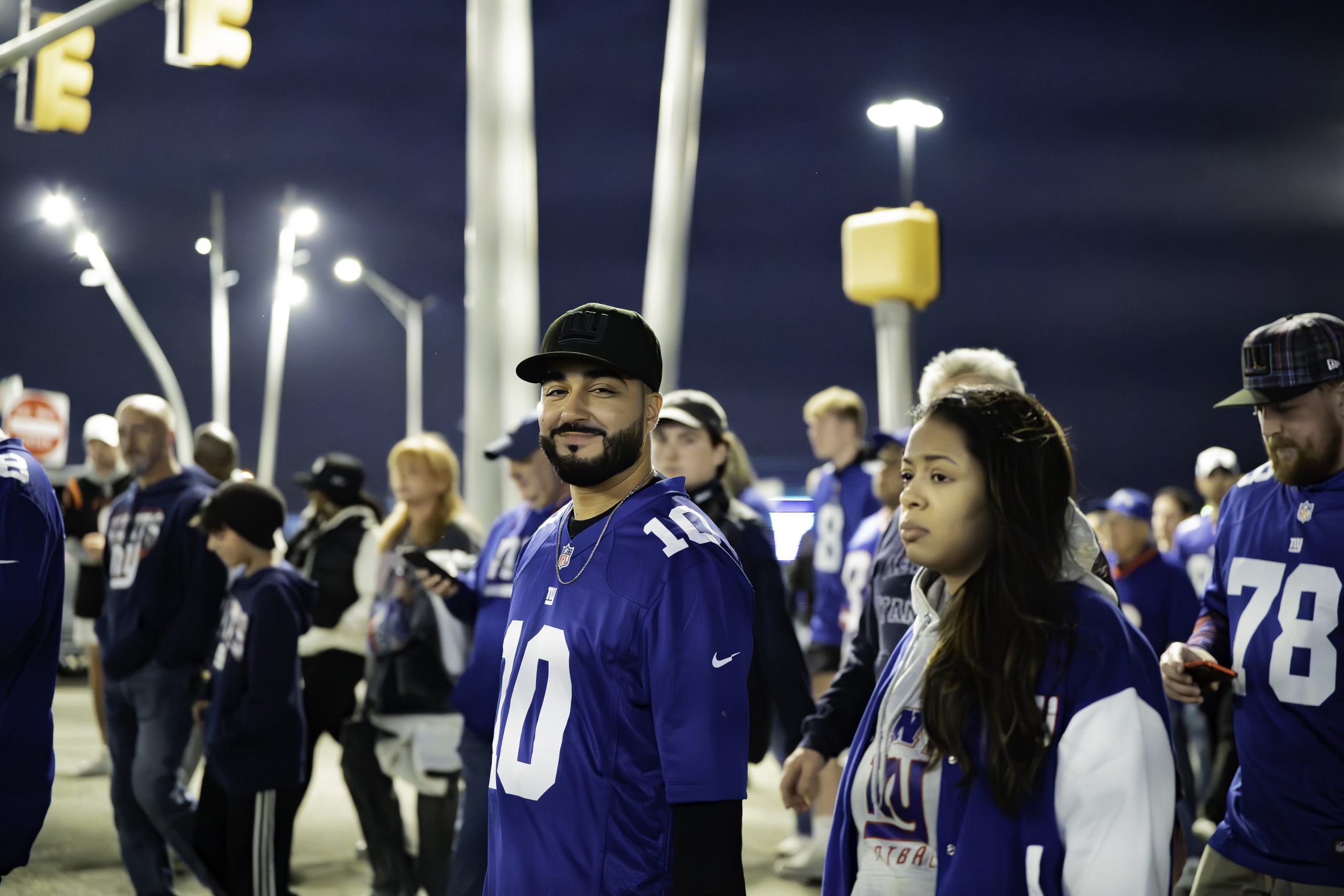
Stadium tailgating and traditional party venues operate under completely different rules. At MetLife Stadium, prepaid parking permits are mandatory for NFL games, and the color-coded system determines which lots you can access. You can’t just show up and figure it out—permits often sell out, and day-of access is nearly impossible.
Once you’re in the lot, spacing rules get specific. Tailgating items must be set up in front and behind your vehicle, not along the sides. Blocking drive lanes is prohibited. Tents or canopies exceeding an 8′ x 8′ footprint can’t park in lined spaces, which immediately limits your setup options for larger groups.
Traditional venues don’t have these constraints. You book the space, show up during your reserved time, and use the room however the contract allows. There’s no vehicle positioning, no parking permit lottery, and no outdoor spacing restrictions. The venue provides tables, chairs, and climate-controlled space as part of the package.
The flip side is cost structure. Stadium tailgating costs include parking fees that run $40-$75 for professional games in busier cities, plus equipment, food, and your time for coordination. Professional tailgate services typically charge $25-$50 per person for unlimited food and drinks. Traditional venues operate differently—mid-range spaces run $175-$400 per hour, while banquet halls average $1,200-$1,800 per hour with 3-5 hour minimums.
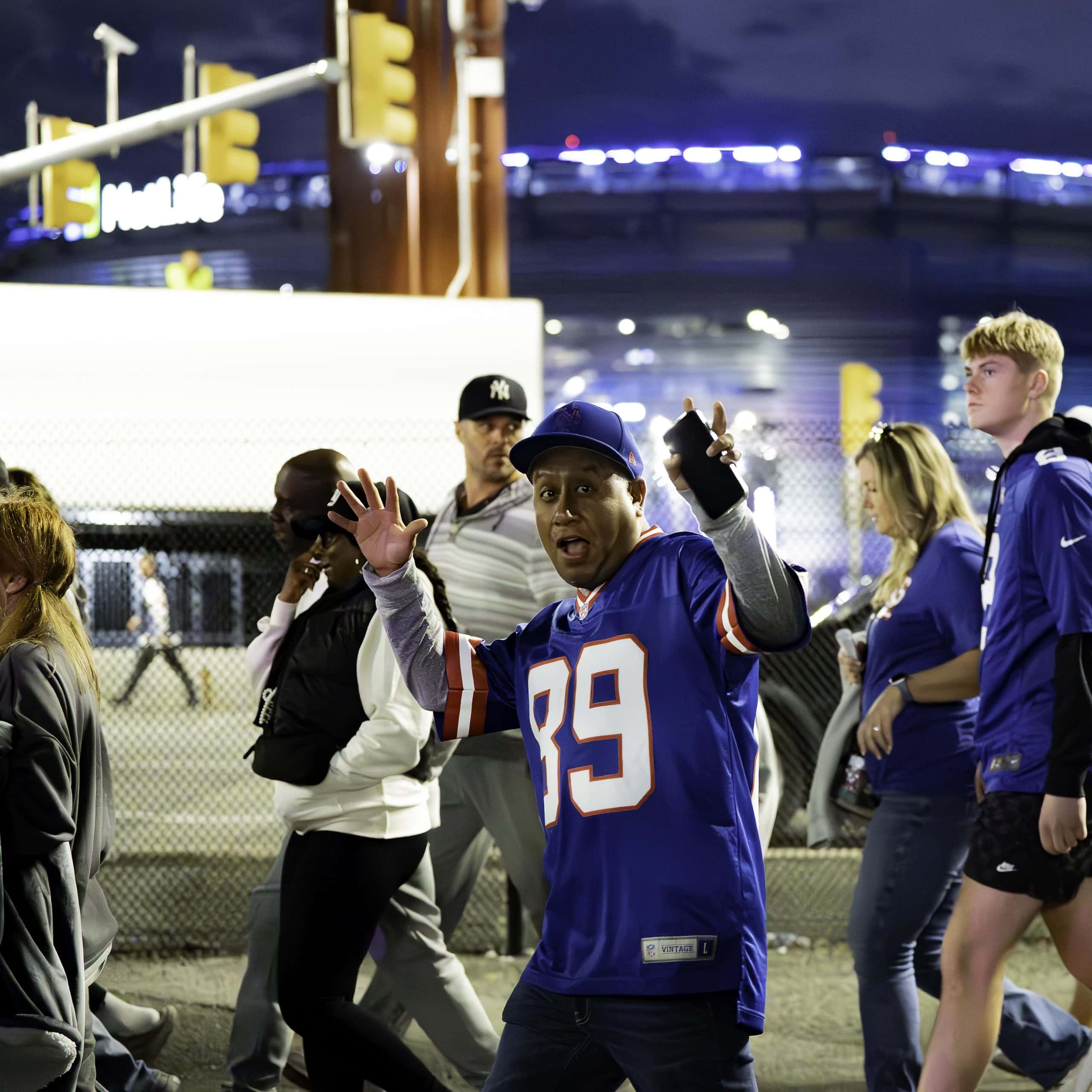
For Nassau County, NY groups heading to MetLife Stadium, the logistics get more complex. The stadium sits in East Rutherford, New Jersey, which means coordinating travel from Long Island, managing the parking permit system, and timing arrival to maximize your tailgate window. Parking lots open five hours before kickoff, but most groups don’t need to arrive that early if they’re using a professional service that handles setup.
Equipment requirements differ dramatically too. Stadium tailgating demands commercial-grade tents that can handle wind and rain, grills that meet stadium regulations, sound systems that don’t violate noise ordinances, and enough seating for your entire group. You either own this equipment, rent it piecemeal, or hire a service that brings everything. Traditional venues include most of this infrastructure—you’re paying for access to existing tables, chairs, sound systems, and kitchen facilities.
The permitting landscape varies too. Local providers familiar with Nassau and Suffolk county regulations navigate permit requirements without the learning curve that national companies face. This expertise translates to fewer complications, less wasted time, and smoother events. Traditional venues typically handle their own permits and licensing as part of their operating agreements, removing that burden from your planning checklist entirely.
Weather planning for stadium events isn’t optional—it’s central to whether your event succeeds or becomes a miserable experience. Indoor events are largely unimpacted by weather, barring some atmospheric catastrophe. You select a date at any time of year and plan ahead without worrying about rain, heat, or cold affecting your guests.
Stadium events don’t have that luxury. Weather can compromise the entire event, potentially leading to postponement or cancellation. Even when the event proceeds, poor weather conditions create guest discomfort, affect food safety, and can damage equipment that isn’t designed for the conditions.
We address this through heavy-duty, weather-resistant equipment. Commercial-grade frame tents with waterproof vinyl tops and attachable sidewalls block wind and rain. Portable heaters keep spaces comfortable during cold games. Our equipment operates successfully in rain, snow, and cold temperatures—the only alterations come during officially declared dangerous weather like lightning storms.
For groups planning their own stadium events, weather contingency means having backup plans, rental agreements that account for conditions, and enough flexibility to pivot if forecasts turn bad. It also means considering seasonal timing. Spring and fall offer mild weather in many regions, while summer brings heat and winter creates obvious challenges. Traditional venues eliminate this entire category of planning—you book the date and trust that indoor climate control handles the rest.
The psychological element matters too. Guests attending outdoor stadium events dress for weather, bring layers, and mentally prepare for conditions. Indoor venue guests expect comfort and consistency. That expectation shapes everything from your invitation wording to your backup communication if conditions change. When you’re coordinating a corporate event or milestone celebration in Nassau County, NY, setting the right expectations prevents guest dissatisfaction before it starts.
Outdoor events also require thinking through power and lighting needs differently. Stadiums have some infrastructure, but your specific setup might need generators, temporary panels sized for peak demands, and fuel planning for multi-day events. Redundancy for critical systems ensures no disruption during your celebration. Indoor venues provide house power access on scheduled circuits with electrical inspections already completed—you plug in and go.
Want live answers?
Connect with a Savvy Tailgate expert for fast, friendly support.
Stadium events operate under regulations that don’t exist at traditional venues. MetLife Stadium enforces specific rules about setup locations, equipment sizes, and prohibited items. Understanding these regulations before you commit to a stadium event prevents expensive surprises and potential shutdowns.
Parking logistics alone create complexity that traditional venues don’t have. The color-coded permit system at MetLife includes GOLD permits for lots B, D, K, J, L, M, P, and Deck A, with prices starting around $23 and reaching approximately $60 depending on the row. PLATINUM permits for lots E, F, and G start at $71 and offer closer proximity to the stadium.
The numbers on permits don’t guarantee specific spots—arrival time determines what spaces remain available. Smart tailgaters arrive early to secure good locations and avoid the worst traffic as kickoff approaches. This timing requirement doesn’t exist at traditional venues where your reserved space waits regardless of arrival time.
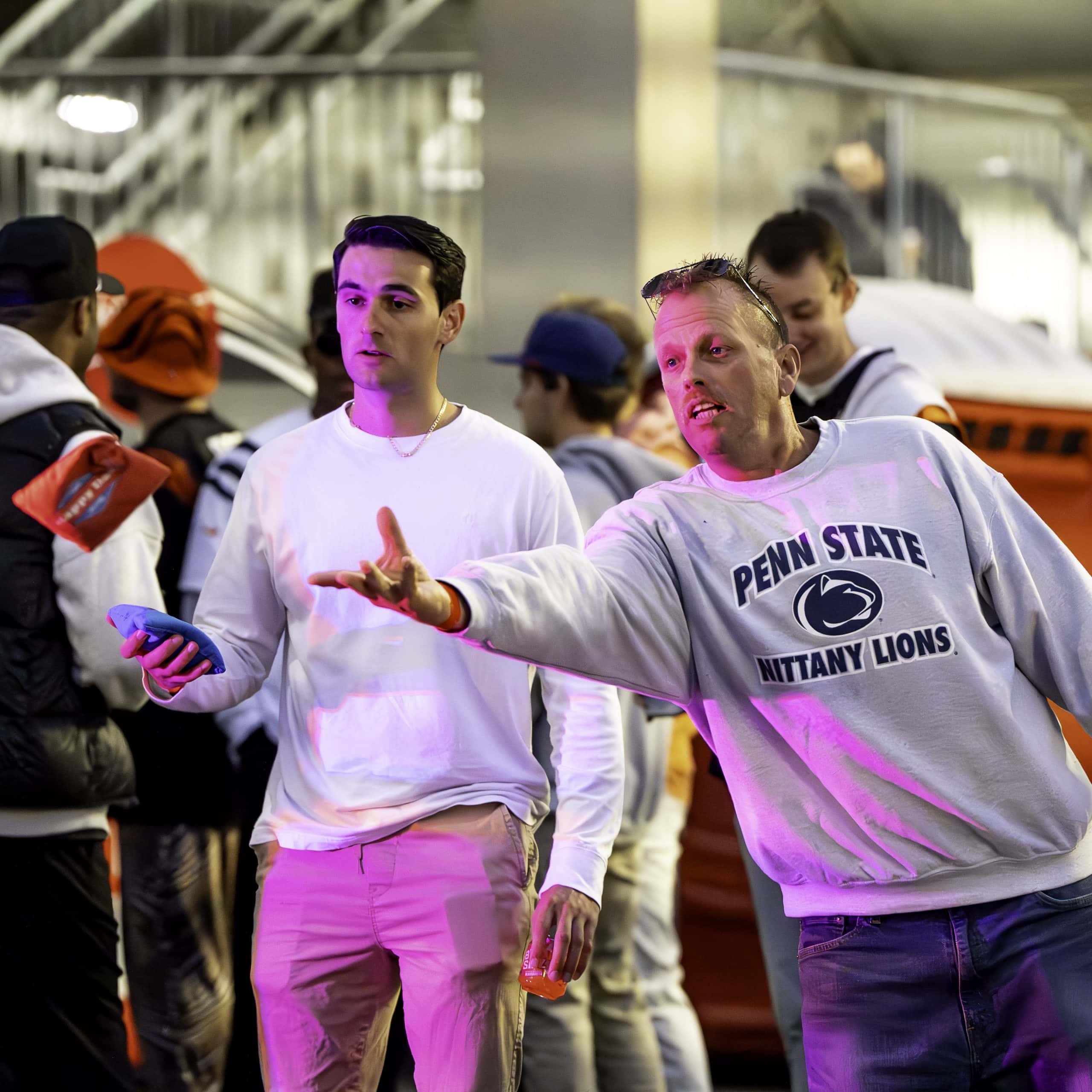
Stadiums accommodate massive crowds that traditional venues can’t match. Stadiums handle tens of thousands to over a hundred thousand spectators, creating an atmosphere and energy that smaller spaces simply cannot replicate. That scale comes with crowd management challenges that indoor venues handle differently.
Stadium crowd management starts before visitors reach the entrance. At venues like AT&T Stadium, it begins at the secondary perimeter where bags are searched and items are checked against NFL bag policies. Fans then pass through one of multiple entrances where event operations departments systematically assess arrival patterns for better visitor flow. Capacity assessments investigate ticket scan counts and arrival times to determine the right number of gates and staff, potentially requiring additional metal detectors and equipment deployment.
Traditional venues manage crowds through controlled entry points, maximum capacity limits set by fire codes, and staff positioned throughout the space. The scale is smaller, the flow is more predictable, and the infrastructure already exists to handle expected numbers. You’re not coordinating with stadium security or navigating massive parking lot crowds—you’re working with venue staff who manage similar events regularly.
For corporate groups or large celebrations, stadium events offer the advantage of accommodating everyone in one location with room to spread out. Traditional venues might cap your guest list based on square footage and fire codes. The atmosphere differs too—stadiums create communal experiences where your group becomes part of a larger crowd energy, while traditional venues keep your celebration private and separate from other activities.
Transportation logistics also shift with scale. Stadium events often require coordinating shuttle services, managing parking for multiple vehicles, or arranging group transportation from hotels. For Nassau County, NY groups traveling to MetLife Stadium, this might mean organizing buses from Long Island pickup points or coordinating rideshare drop-offs. Traditional venues typically have simpler parking arrangements or valet services that handle guest arrival without complex coordination.
The food and beverage logistics diverge significantly too. Stadium tailgating requires either bringing your own supplies (which means shopping, packing, transport, and food safety management) or hiring a catering service that follows local health department regulations. Traditional venues usually have in-house catering or approved vendor lists, with commercial kitchens already set up to handle your guest count. You’re choosing menu items, not managing food temperature and safety protocols yourself.
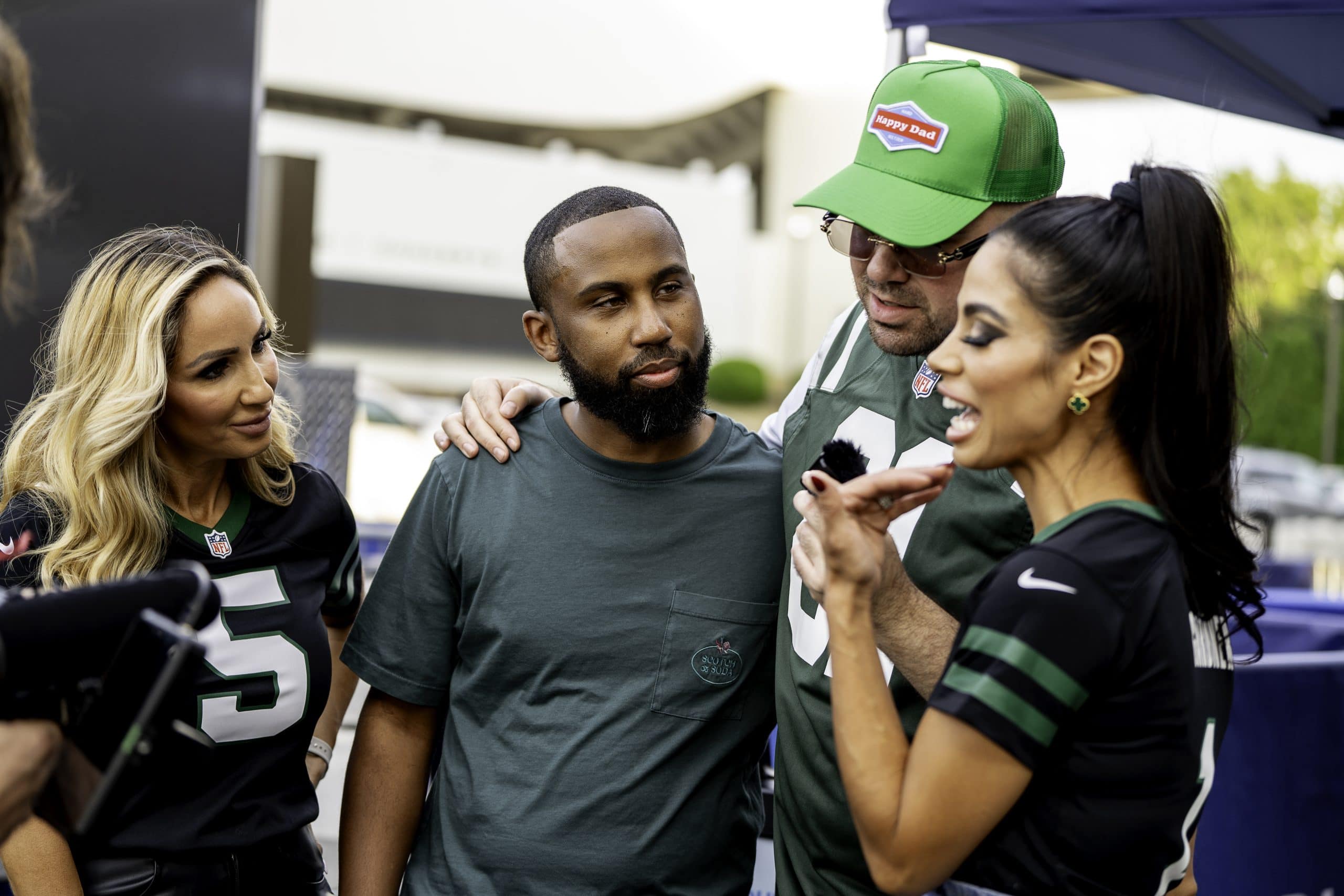
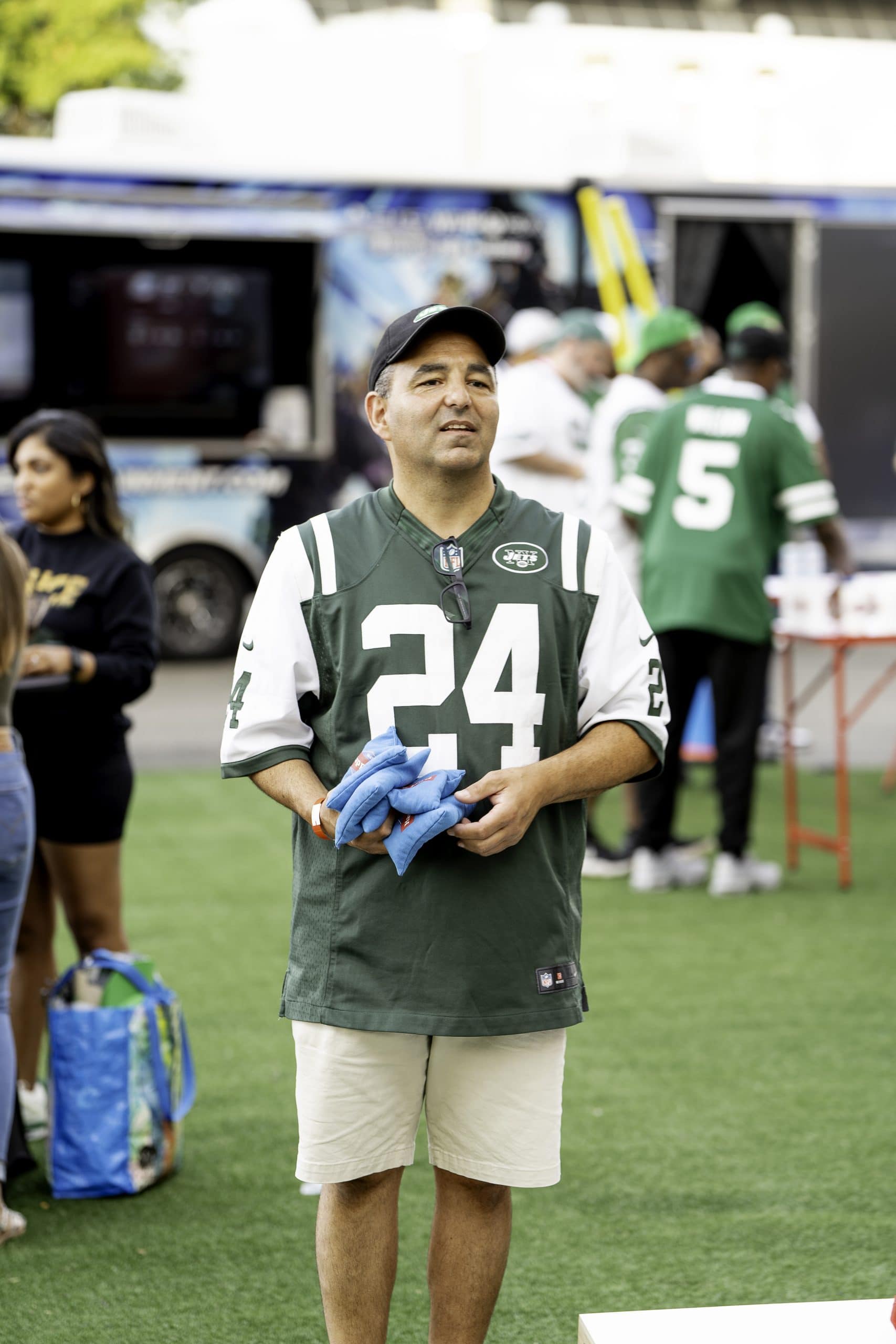
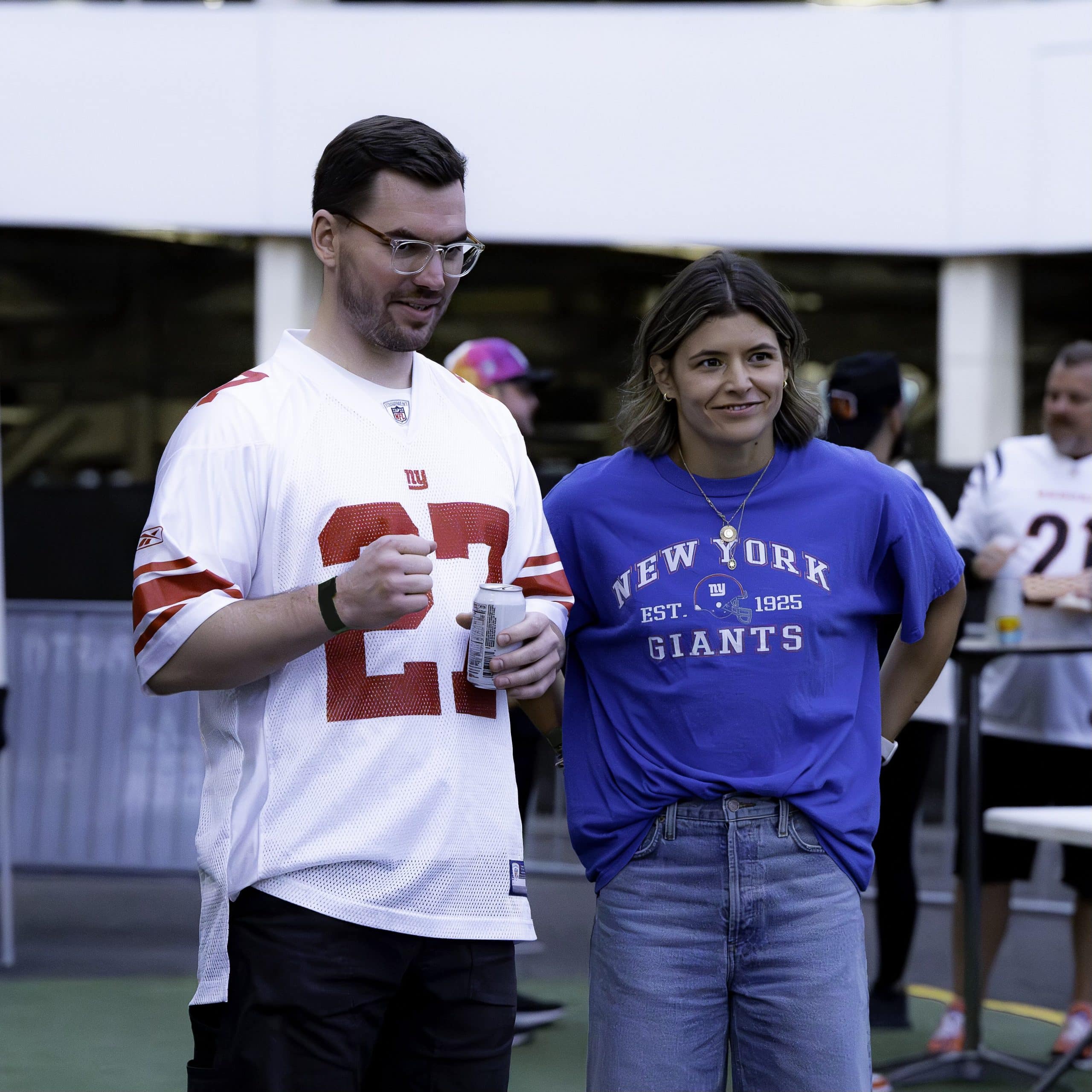
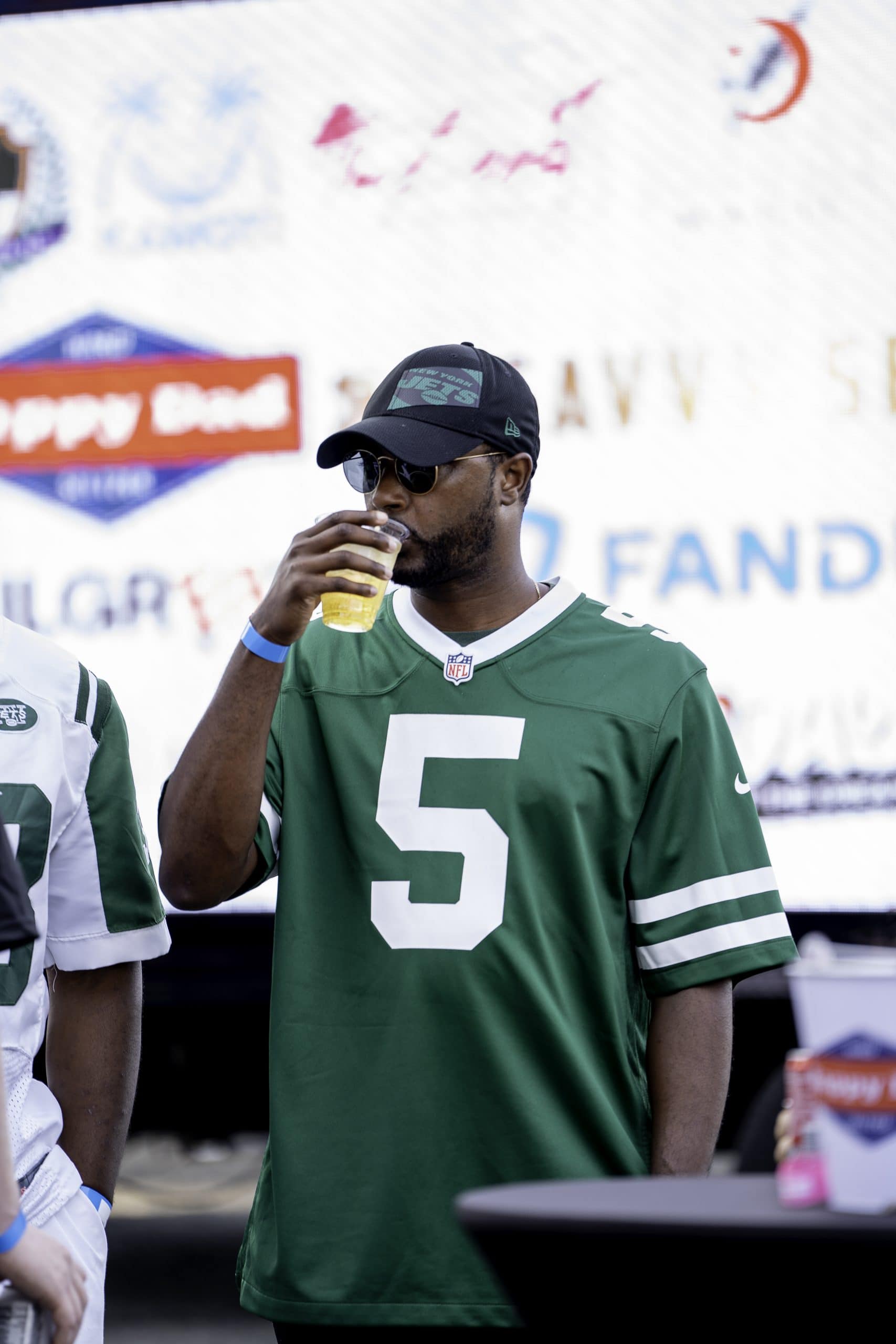
The stadium atmosphere creates something traditional venues can’t replicate—a sense of being part of something larger. The crowd’s roar, the sea of team colors, and the community fostered within stadium walls add to the overall experience and leave lasting impressions on attendees. That electric energy comes from the size and design of the venue itself.
Stadiums create participatory experiences where your group celebration connects to the broader event. The pre-game excitement, the shared anticipation, and the tribal bonding that happens when thousands of fans gather for a common purpose—these elements don’t exist at traditional venues. Your group becomes part of the spectacle rather than creating an isolated celebration.
For corporate events, this atmosphere offers unique networking opportunities and team-building moments. Shared experiences at stadium events create bonds between colleagues that conference rooms never allow. The energy is real, conversations flow naturally, and relationships deepen in ways that traditional venues don’t facilitate. Twenty-two percent of companies now identify fostering team-building and collaboration as a major priority, and stadium events deliver both internal team building and external client relationship benefits simultaneously.
The challenge is maintaining your group’s identity within the larger crowd. We address this by creating defined spaces with commercial-grade tents, seating areas, and entertainment that keeps your group together while still enjoying the stadium atmosphere. You get the best of both worlds—the electric stadium energy plus a home base where your specific group can gather, eat, and celebrate together.
Traditional venues offer the opposite dynamic. Your celebration is the only thing happening in that space. You control the music, the timeline, the atmosphere, and every element of the experience. There’s no competing noise, no external crowds, and no need to coordinate with broader event schedules. Some groups prefer that control and privacy—it depends entirely on what kind of experience you’re trying to create.
The visual element matters too. Stadiums provide dramatic backdrops and photo opportunities that traditional venues can’t match. The scale of the architecture, the field or stage in the background, and the crowd energy create memorable images. Traditional venues offer different aesthetics—controlled lighting, designed interiors, and curated ambiance that photographs beautifully but differently than stadium settings.
Entertainment options also vary. Stadium events naturally incorporate the main event itself as entertainment—the game, concert, or performance that everyone came to see. Your pre-game celebration builds anticipation for that shared experience. Traditional venues require you to create all the entertainment yourself through DJs, bands, activities, or programming. That’s more work but also more control over exactly what your guests experience from start to finish.
Stadium events and traditional venue events serve different purposes. Stadiums deliver atmosphere, scale, and energy that enclosed spaces can’t match, but they demand weather planning, logistics coordination, and regulatory compliance that traditional venues don’t require. Traditional venues offer predictability, climate control, and simplified planning at the cost of that electric stadium atmosphere.
For Nassau County, NY groups heading to MetLife Stadium, the decision often comes down to whether you want your celebration integrated with the larger game-day experience or separated in a controlled environment. Both options work—the right choice depends on your group’s priorities, budget, and tolerance for outdoor variables.
If you’re leaning toward the stadium experience but want to skip the logistics headaches, we handle everything from parking permits to weather-resistant setups. We specialize in creating turnkey tailgate experiences at MetLife Stadium, eliminating the complexity while delivering the atmosphere that makes stadium events memorable.
Article details:
Share:
Continue learning: