Everything you need for a MetLife Stadium tailgate — from permits and gear to food, weather prep, and the one option that skips the whole list entirely.
Share:
Summary:
You bought the tickets. You’ve got the group chat going. Now someone has to figure out the actual tailgate — the tent, the food, the parking permit, the cooler, the grill, the chairs, and about 40 other things that seem manageable until you’re loading a minivan at 7AM and realize you forgot lighter fluid.
This checklist exists to help you get ahead of all of it. Whether you’re heading to a Jets game from Queens, making the drive out from Long Island for a Giants matchup, or planning something bigger for a concert or World Cup match at MetLife, the logistics are real and they matter. Here’s what you actually need — and what you can skip entirely if you’d rather just show up and enjoy it.
The biggest tailgate mistakes don’t happen in the parking lot. They happen the night before, when someone assumes someone else grabbed the bottle opener, or the morning of, when you realize MetLife’s prepaid parking permit is sitting on your kitchen counter instead of in your glove box.
Getting your checklist right is less about buying more stuff and more about thinking through the sequence — what you need before you leave, what you need when you arrive, and what you’ll wish you had three hours in when the wind picks up and the food’s gone cold.
Start with the non-negotiables that are specific to MetLife. Your prepaid parking permit has to be in the car — not on your phone, not in a screenshot, in the car. MetLife does not replace lost or forgotten permits, and without one, you’re not getting into the lot. If your group is coming in multiple vehicles, every car needs its own permit. You cannot save spaces, and stadium security actively patrols for it.
Once you’re past that, your setup needs to fit within the space you’ve paid for. MetLife limits canopies to an 8-by-8-foot footprint unless you’re operating in a permitted commercial zone. That’s smaller than most people expect, and a standard consumer popup tent will push right up against that limit. Worth knowing before you buy one.
For the grill, MetLife allows charcoal — but no open flames. That rules out propane setups and anything with a live flame that isn’t contained in a charcoal grill. They provide disposal areas for charcoal in the lots, so plan for that on the way out.
Beyond the MetLife-specific rules, your core gear list comes down to a few categories. You need a cooking setup (charcoal grill, lighter, charcoal, tongs, thermometer), a food and drink station (hard cooler with ice, separate cooler for drinks, serving trays, foil, cutting board), a seating area (folding chairs, a table or two, a tablecloth that won’t blow away), and a cleanup kit (trash bags, paper towels, hand sanitizer, a small bin for recycling). Weather gear matters more than most people plan for — a wind-resistant canopy, sidewalls if the forecast looks rough, and layers for everyone in the group.
The items that get forgotten most often are the small ones: a bottle opener, a corkscrew, a lighter, serving utensils, a phone charger or power bank, sunscreen for September games, and hand warmers for November. None of these are expensive. All of them are annoying to be without.
Food safety at a tailgate is one of those topics that sounds obvious until something goes wrong. The basic rule is that hot food needs to stay above 140°F and cold food needs to stay below 40°F. In a parking lot in October, with a charcoal grill that’s been running for two hours, that’s harder to maintain than it sounds.
For cold items — potato salad, coleslaw, anything with mayo, raw meat waiting to be cooked — a quality hard cooler with enough ice is non-negotiable. A soft-sided bag cooler won’t hold temperature for three hours in direct sun. Pack your raw proteins separately from your ready-to-eat food, and don’t let either sit out for more than two hours.
For hot food, the challenge is holding temperature after it comes off the grill. Foil helps, but it’s not a long-term solution. If you’re cooking for a large group, think through your timing — stagger what goes on the grill so food isn’t sitting out waiting for the last round to finish. A meat thermometer is worth the space it takes up.
One thing that separates a well-run tailgate from a chaotic one is how the food station is organized. Set up a dedicated prep table and a separate serving table. Keep raw proteins away from finished food. Have a hand sanitizer station near the grill that people actually use. These aren’t complicated steps, but in the middle of a loud parking lot with 15 people asking when the burgers are ready, they’re easy to skip.
Food quality is the single most common complaint about tailgate experiences that go wrong. People pay real money for a pre-game setup and end up eating chips because the food was mishandled or underprepared. That’s a bad day, and it’s avoidable.
Want live answers?
Connect with a Savvy Tailgate expert for fast, friendly support.
If you’re coming from Brooklyn, Queens, Manhattan, or Long Island, the tailgate checklist has a few extra layers that fans driving in from New Jersey don’t have to think about. You’re crossing state lines, dealing with bridge or tunnel traffic, coordinating a group that’s probably coming from multiple neighborhoods, and then navigating one of the largest stadium parking complexes in the NFL — 23,000 spaces across 14 lots.
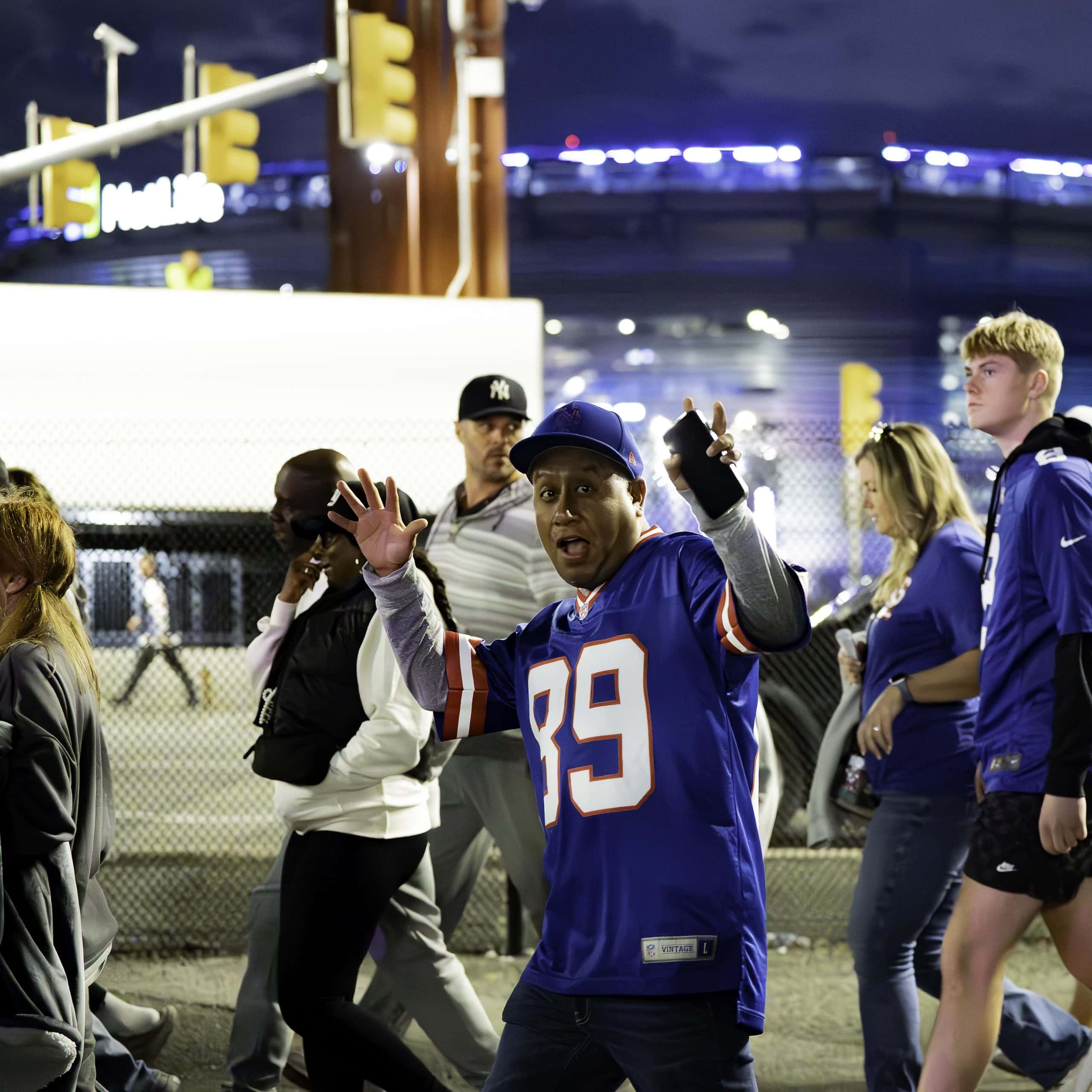
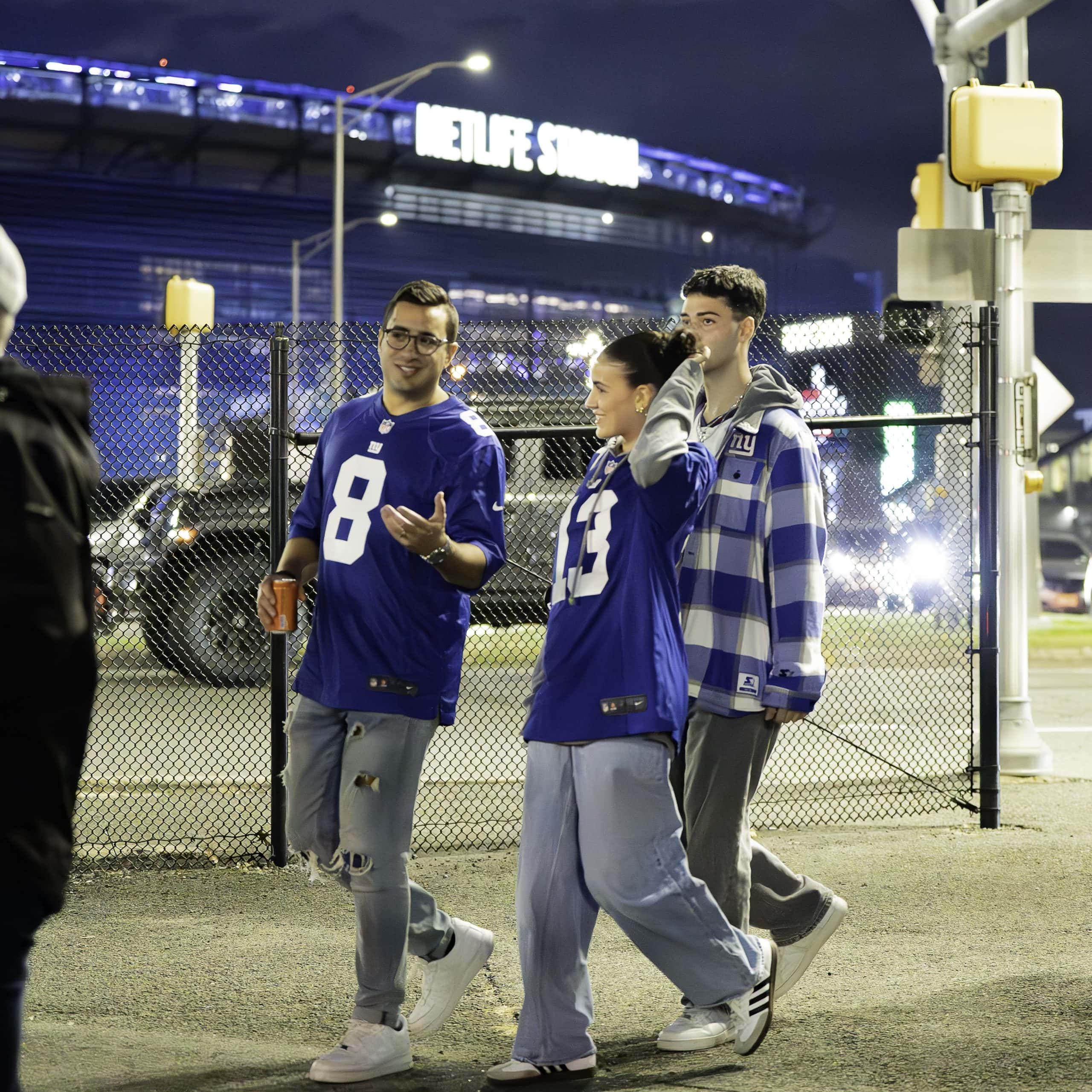
Getting there early matters more than most people realize. MetLife opens its lots five hours before kickoff, and the closer you get to game time, the worse the roads get. Post-game traffic is its own problem — fans have reported sitting in the lots for up to two hours after the final whistle. If you’re driving, plan your exit strategy before you even park.
For fans coming from Manhattan, the Lincoln Tunnel is the most direct route, but it’s also the most predictable bottleneck on game days. The Holland Tunnel and George Washington Bridge are alternatives, but they add distance. If your group is spread across the boroughs — some in Astoria, some in Park Slope, someone coming from the North Shore of Long Island — coordinating separate cars and expecting to park near each other is optimistic at best.
MetLife’s policy is clear: you cannot save parking spaces. Each vehicle needs its own prepaid permit, and each permit covers one space. If your group arrives in separate cars at different times, you’re parking wherever space is available when you get there, which may not be near each other.
This is the part of the DIY tailgate math that often gets overlooked. You’re not just buying supplies — you’re also coordinating transportation for a group, paying for multiple parking permits, and hoping everyone arrives close enough to the same time to actually tailgate together. For a group of 10 or more coming from different parts of the city, that coordination cost is real.
A charter bus eliminates most of this. One pickup point per neighborhood (or a rolling route across stops in Brooklyn, Queens, and Long Island), one driver who knows the route, one parking spot in Lot L where charter buses are designated to park, and everyone arrives together. The bus becomes part of the experience — not just a vehicle, but the start of the party. No one’s stuck navigating traffic while everyone else is already at the tent.
For groups coming from Long Island specifically, the drive to MetLife on a game day can run 90 minutes to two hours each way depending on where you’re starting and what time you leave. A charter bus from a central Long Island pickup point turns that drive into something you’re doing together, not something you’re grinding through alone.
Here’s the honest version of the DIY tailgate checklist: it’s long, it’s expensive when you add it all up, and it requires you to be the one managing all of it while everyone else is having fun. The tent, the permits, the grill, the food prep, the coolers, the ice, the chairs, the tables, the entertainment, the cleanup — that’s a part-time job on game day.
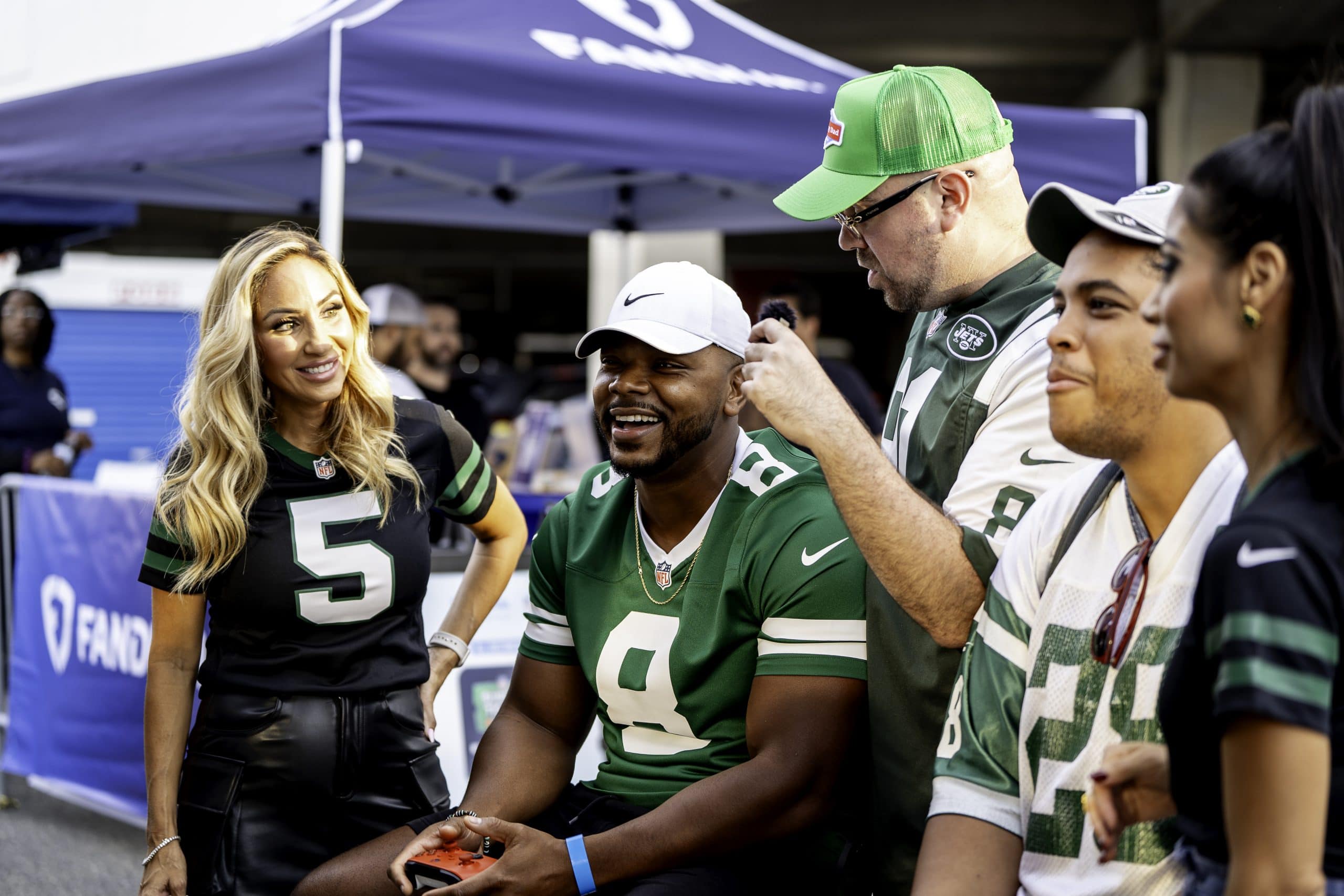
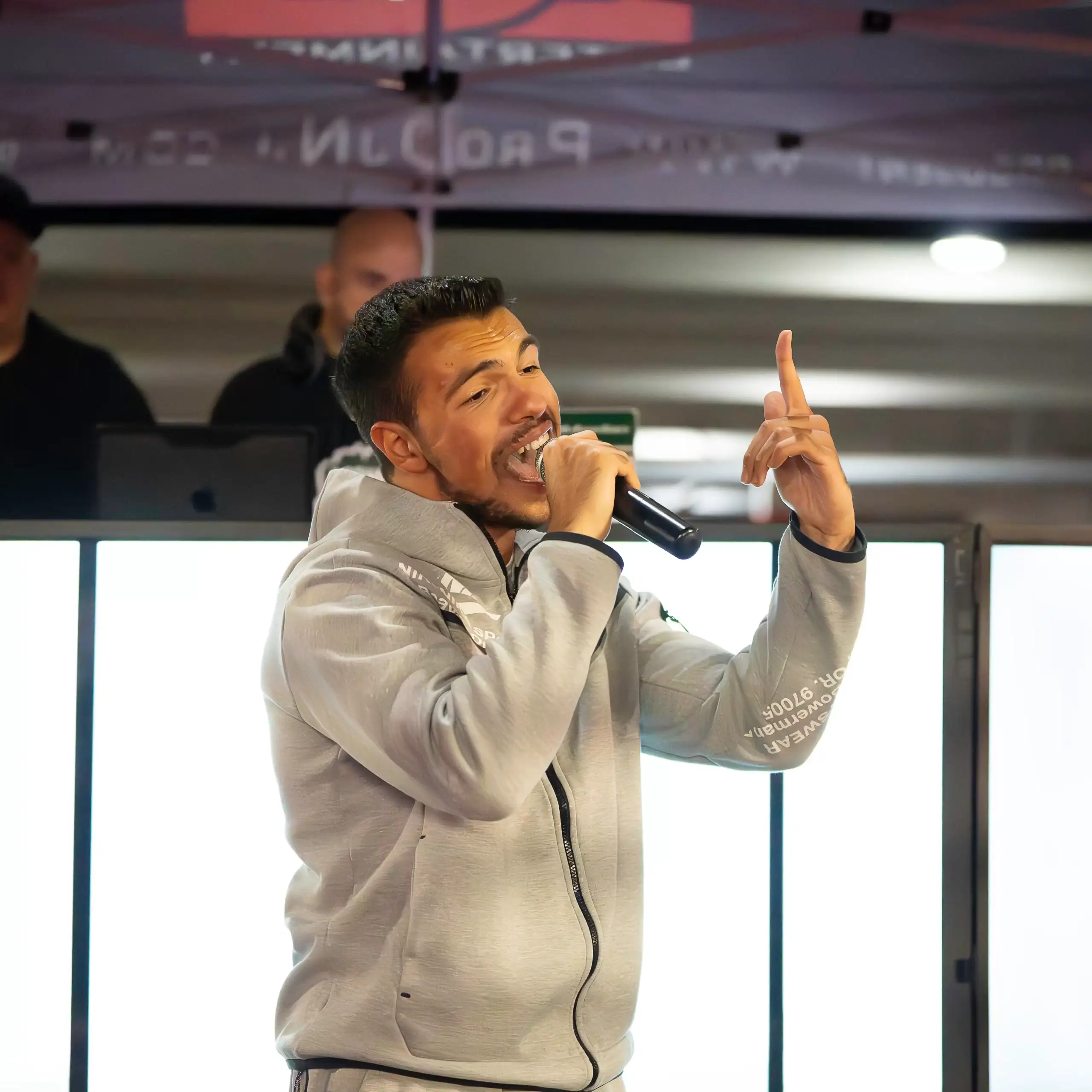
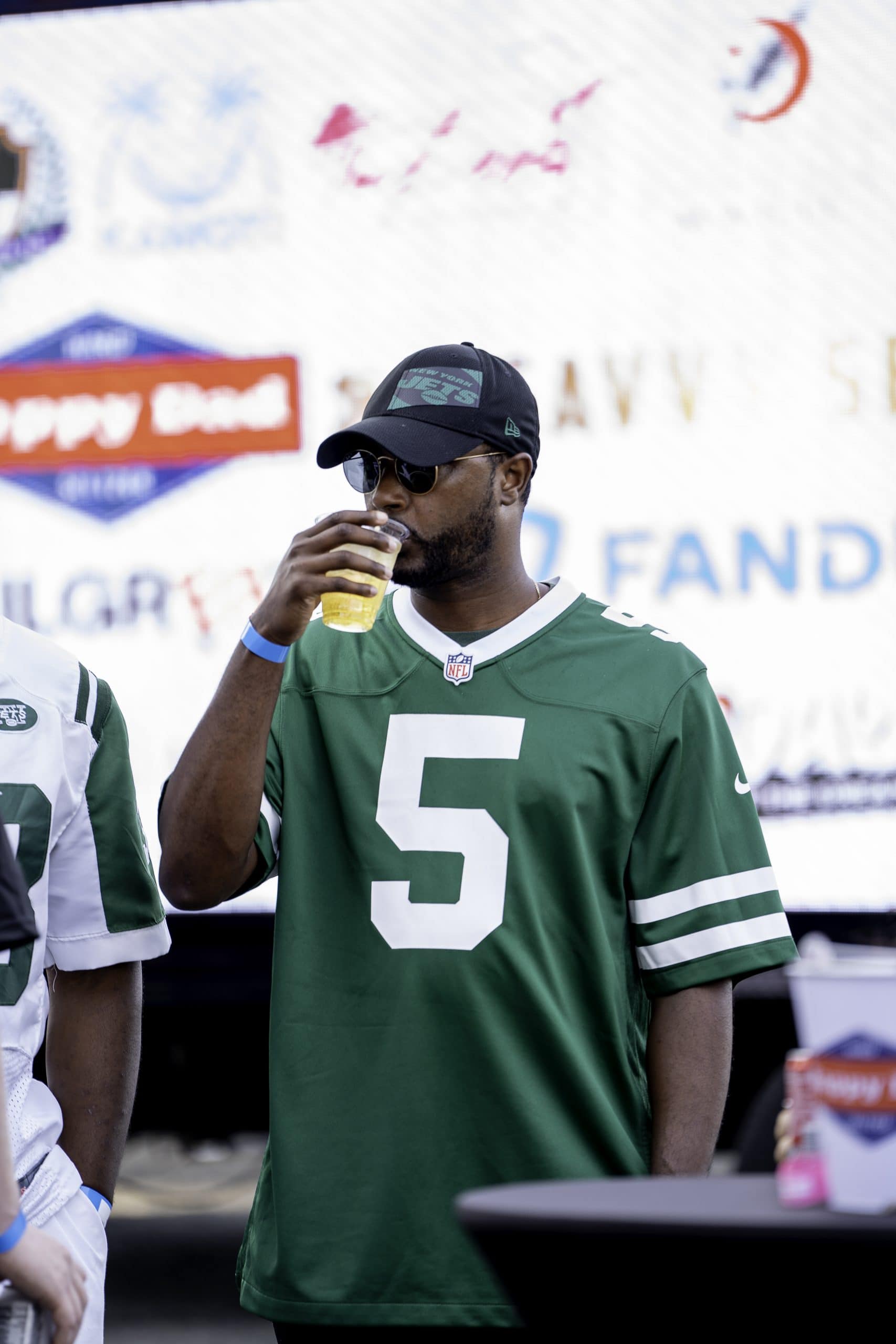
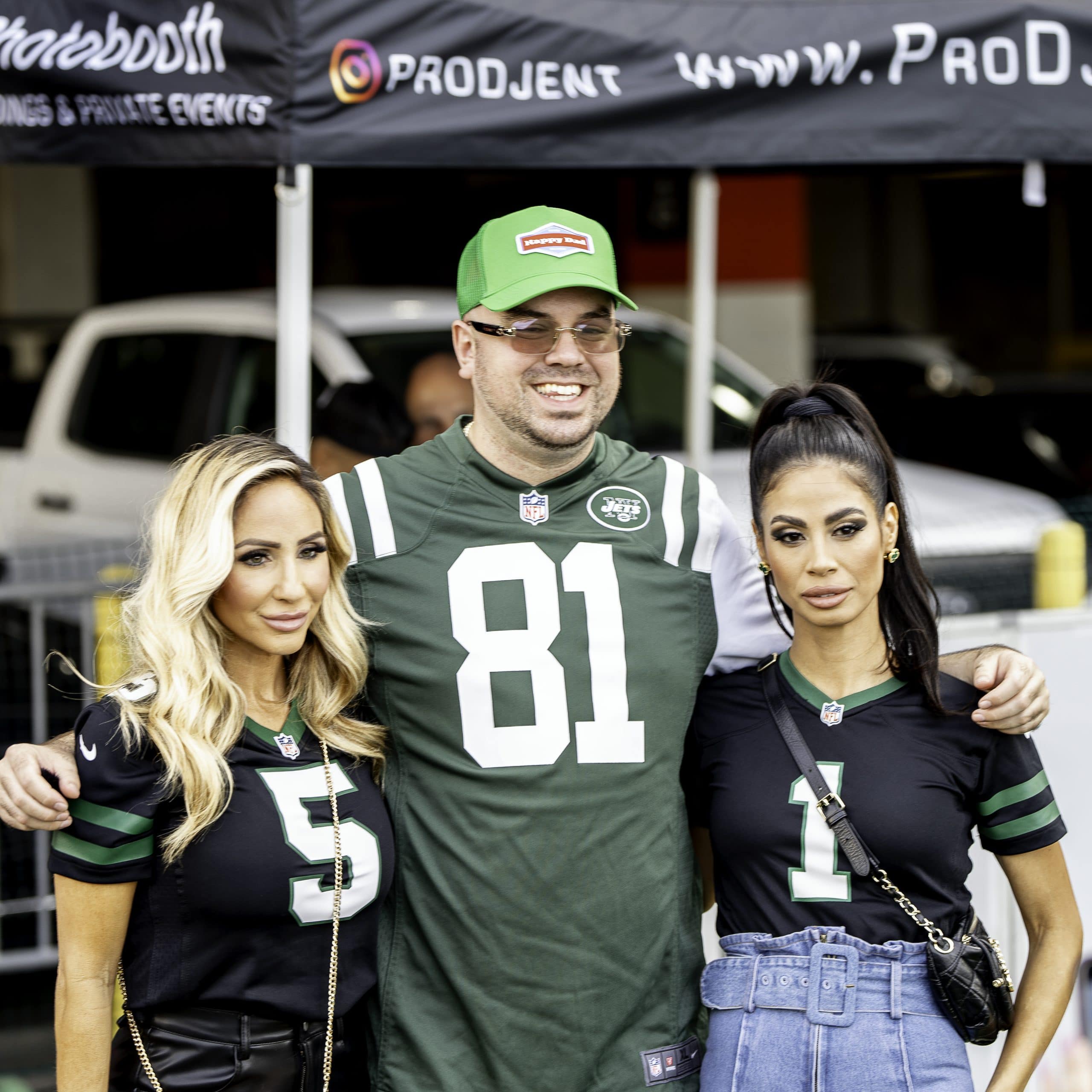
We’ve been running tailgates at MetLife Stadium for over 20 years, which means we’ve already solved every problem on that list. We hold the permits. We set up the commercial-grade tent — not a popup from a sporting goods store, but a heavy-duty frame tent with a waterproof vinyl top and attachable sidewalls for when the wind comes in off the Meadowlands in November. We bring the food, and it’s all-you-can-eat for the full three hours before kickoff. We run a cash bar with fair pricing. There’s a live DJ, a photo booth, tailgate games, and giveaways built into every event.
When the game ends, we handle cleanup. You walk into the stadium without having broken down a tent or hauled a cooler back to a car.
We’re also fully licensed — certified food service, safe-serve, and a proper liquor license. That matters when you’re serving food and alcohol to a large group, and it’s not something every operation in this space can say. A marketplace listing from a national platform doesn’t come with the same accountability as a team that’s been operating at this specific stadium, under these specific rules, for two decades.
Our packages scale from small groups to large corporate events, and the pricing is flat-rate — what you’re quoted is what you pay. No line items added the day of. For Jets games, Giants matchups, major concerts, and World Cup 2026 matches at MetLife, we pick up fans from all five NYC boroughs and across Long Island and bring them to a tailgate that’s already set up and waiting.
The tailgate checklist in this guide will get you through a DIY setup if that’s the direction you want to go. Know the MetLife permit rules, plan your arrival early, keep your food at safe temperatures, bring the gear that actually handles New York weather, and coordinate your group before you’re all trying to find each other across 14 parking lots.
But if you get to the end of that list and feel like the tailgate itself has become a project — that’s a reasonable response. The point of game day is the game, the people you’re with, and the hours before kickoff that set the whole thing up right.
If you’d rather hand that off, we’ve been doing exactly this at MetLife for over 20 years. Reach out early — popular game dates and concert events fill up three to four weeks out — and we’ll take care of everything from the first pickup stop to the last piece of cleanup.
Article details:
Share:
Continue learning: